
Views: 0 Author: Site Editor Publish Time: 2026-11-16 Origin: Site

In professional spa environments and high-end residential builds, sauna reliability hinges on the precision and durability of the control system. Specifying an inadequate control unit leads to inconsistent temperatures, premature hardware failure, increased liability risks, and elevated operational costs from inefficient power cycling. Selecting the correct control architecture for an electric sauna heater requires evaluating facility usage volume, electrical infrastructure, safety compliance, and specific operational demands. Matching hardware with the right control systems keeps daily operations running smoothly. Sensor placement, contactor box integration, and interface selection directly impact safety and user satisfaction. Proper planning prevents costly electrical retrofits and keeps the facility running without unexpected downtime.
Architecture Dictates Lifespan: External, wall-mounted digital controls generally offer superior longevity and precision for high-traffic spas compared to built-in mechanical dials.
Infrastructure Matching is Non-Negotiable: High-capacity units (like an 8kW electric sauna heater or larger) require dedicated contactor boxes and strict adherence to 240V hardwiring protocols.
Commercial vs. Residential Scaling: A commercial electric sauna heater demands programmable, tamper-proof controls with commercial-grade high-limit sensors to maintain safety and compliance.
Sensor Placement Determines Accuracy: The physical location of the thermostat sensor relative to the heater and ventilation dictates the actual operational efficiency of the control system.
Safety and Maintenance Documentation: Retaining setup guides, wiring diagrams, and quick reference cards is critical for ongoing troubleshooting and minimizing spa downtime.
A successful sauna installation relies on strict temperature management. The control system must maintain a consistent environment within a strict 150°F–195°F operating window. Fluctuation outside this range ruins the user experience. Mechanical thermostats often allow wide temperature swings because they rely on physical bimetallic strips that degrade over thousands of heating cycles. Digital controls provide much tighter regulation. They read the room temperature continuously via a thermistor and adjust the power output accordingly.
Operators need an intuitive interface. Staff members or end-users should operate the room without requiring technical intervention. Complex menus cause frustration and lead to user errors. Many facilities support their digital keypads with quick reference cards for daily operations. This ensures anyone can start, stop, or adjust the session safely. Clear displays showing current temperature and remaining time reduce confusion. When managing a busy health club, the front desk staff cannot abandon their posts to troubleshoot a sauna keypad. The interface must be foolproof.
Modern facilities also demand integration. Controls often need to communicate with existing facility management systems. Some high-end residential projects integrate these units into smart home ecosystems. This allows remote monitoring and scheduling. A well-integrated system reduces manual oversight. It ensures the room is always ready during peak hours. You can program the system to wake up at 5:00 AM, hit target temperature by 6:00 AM, and shut down automatically after the last guest leaves.
Modern control systems actively manage power draw. They do not simply turn all heating elements on and off simultaneously. Advanced controls use sequential heating element activation. When the room reaches the target temperature, the system drops power to some elements. It leaves only one or two elements active to maintain the heat. This reduces peak energy demand and lowers utility bills.
Programmable delay timers also impact overall energy expenditure. Facility managers can set the room to begin heating an hour before opening. Precise time adjustments prevent the heater from running in an empty room. Automated shut-off sequences act as a fail-safe. If staff forget to power down the facility, the control system cuts the power automatically. This prevents wasted electricity and reduces wear on the hardware.
Load management extends the lifespan of the heating elements. Constant rapid cycling from zero to full power stresses the metal components. Sequential activation provides a smoother thermal curve. It keeps the room comfortable while optimizing the electrical load. This smart management is a core benefit of upgrading to digital control architectures. We frequently see heating elements last twice as long in systems utilizing sequential activation compared to older, all-or-nothing contactor setups.
Built-in controls are typically found on entry-level or smaller residential units. They feature mechanical dials located at the base of the heater. These units are prone to heat degradation over time. The internal components endure constant exposure to extreme temperatures. Operating them requires users to bend down near the hot elements. This increases the risk of accidental contact with hot surfaces.
When retrofitting older health clubs, we frequently replace built-in mechanical units with external digital systems. The mechanical dials on older units often stick due to years of moisture exposure. A stuck dial can cause the heater to run continuously, posing a severe fire hazard. Moving the control interface outside the room eliminates this risk entirely. It also prevents guests from pouring water directly over the control knobs when attempting to generate steam.
External controls are essential for commercial applications. They allow operation from outside the hot zone. You mount the keypad on the exterior wall of the sauna. This placement protects sensitive electronics from extreme heat and moisture. It also provides a better user experience. Guests can check the temperature before entering the room. External systems separate the user interface from the high-voltage power relays.
The separation of components defines professional installations. The user interacts with a low-voltage digital pad. A separate contactor box handles the heavy electrical load. This modular approach makes maintenance much easier. If a keypad fails, you replace only the keypad. You do not need to replace the entire heater assembly.
Analog and mechanical controls offer highly reliable, low-tech solutions. They usually feature standard 60-minute timers and a simple thermostat dial. They are best for unsupervised environments where simplicity is paramount. There are no screens to break or software to update. However, they lack precision. You cannot set an exact numerical temperature.
Compact digital control pads provide exact Fahrenheit or Celsius readouts. They allow exact time duration settings. Modern digital boards also feature diagnostic error codes. If a sensor fails, the screen displays a specific code. This makes troubleshooting fast and accurate. Many digital pads also offer lighting integration. You can control the room lights directly from the sauna keypad.
Wi-Fi and cloud-connected systems represent the top tier of control architecture. They allow facility managers to pre-heat rooms remotely. You can monitor usage analytics from a smartphone or desktop. The system sends maintenance alerts if it detects an anomaly. This connectivity is highly valuable for managing multiple spa locations. It ensures the equipment operates correctly without requiring constant physical inspections.
| Control Type | Best Application | Key Advantages | Primary Limitations |
|---|---|---|---|
| Built-in Analog | Small residential cabins | Simple operation, no extra wiring needed | Prone to heat wear, imprecise temperature |
| External Digital | High-end homes, standard spas | Precise control, protects electronics, error codes | Requires separate contactor box installation |
| Wi-Fi Connected | Large commercial facilities, smart homes | Remote access, usage analytics, scheduling | Requires stable network, higher initial setup complexity |
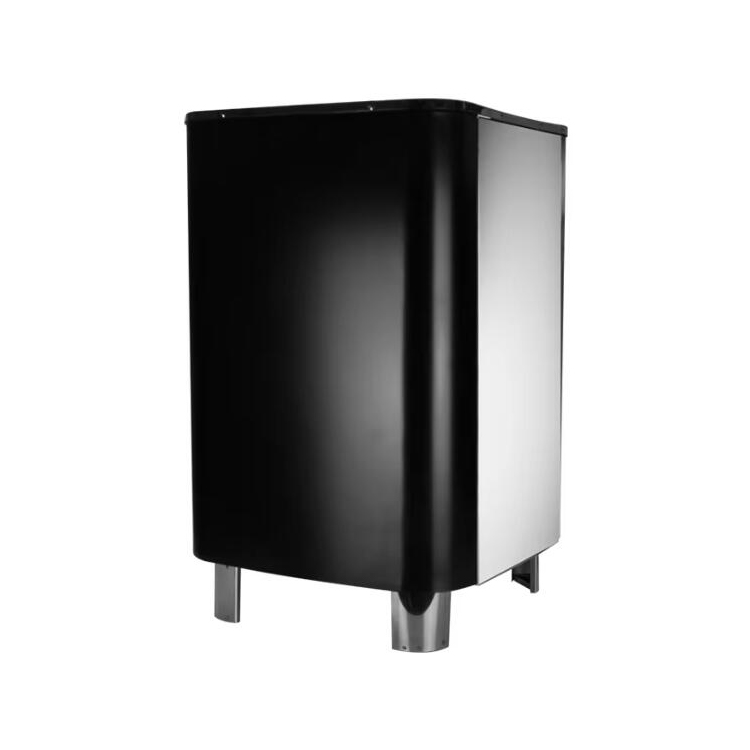
You must evaluate the threshold where standard controls fail. Small heaters under 6kW can sometimes route power directly through a heavy-duty wall switch. However, higher capacities demand robust infrastructure. An 8kW electric sauna heater draws significant amperage. Standard digital keypads cannot handle this electrical load directly.
Anything larger than 6kW typically requires an external contactor or relay box. The contactor box acts as the middleman. The digital keypad sends a low-voltage signal to the contactor. The contactor then closes its heavy-duty relays to send 240V power to the heater. This setup handles the amperage load safely without frying the control board.
To properly size and implement a contactor box, follow these field-tested steps:
Identify the total kilowatt rating of the heater unit.
Convert the kilowatt rating to total amperage draw based on your facility's voltage (e.g., 8000W / 240V = 33.3 amps).
Select a contactor box rated for at least 20% higher capacity than the maximum continuous draw.
Mount the contactor box in a dry, ventilated utility room away from the immediate heat of the sauna.
Run shielded low-voltage communication wire from the contactor box to the user-facing digital keypad.
Failing to size the contactor correctly leads to melted wires and fire hazards. Always verify the maximum amperage rating of the relay box. It must exceed the total draw of the heater. Proper sizing ensures the relays do not fuse together during extended heating cycles.
The physical environment of a spa is harsh. High humidity, sweat, and constant heat degrade inferior materials. Pairing controls with a stainless steel electric sauna heater ensures the core system resists corrosion. You must apply the same standard to the control components.
Digital control pads installed in adjacent wet areas require specific IP ratings. If you mount a keypad near showers or pools, it must resist water ingress. Look for IPX4 or higher ratings for exterior keypads. The contactor box also needs a suitable enclosure. It is usually installed in a dry utility room, but it still requires adequate ventilation to dissipate heat from the relays.
Cable quality also matters. The data cable connecting the keypad to the contactor must withstand the environment. Use shielded cables to prevent moisture from degrading the signal. High-quality materials prevent phantom button presses and screen failures.
Commercial facilities operate under different rules than private homes. A commercial electric sauna heater requires controls with a 24-hour programmable cycle. Staff need to set the schedule once and let the system run. Commercial codes also mandate a 60-minute auto-shutoff override. The heater cannot run indefinitely without human intervention.
Tamper-proof settings are necessary for public spaces. You must lock out end-users from altering maximum temperature thresholds. Guests often try to push the temperature beyond safe limits. Commercial digital controls feature hidden menus or passcode locks. This allows managers to set a firm ceiling at 190°F.
Heavy usage requires heavy-duty components. Residential relays might cycle a few times a week. Commercial relays cycle hundreds of times a day. Specifying commercial-grade controls ensures the hardware survives the rigorous demands of a busy spa environment.
Understanding the 110V vs. 240V distinction is necessary for proper specification. Some 110V models exist for ultra-compact home wellness setups. They plug into standard outlets. However, true commercial spa performance requires 240V systems. A 240V system heats the room faster and maintains temperature better. It requires dedicated double-pole breakers in the main electrical panel.
You must calculate wire gauge requirements accurately. The calculation depends on the distance between the main panel, the contactor box, the control pad, and the heater. Voltage drop occurs over long distances. If the utility room is far from the sauna, you may need thicker wire. Standard 8kW units usually require 8 AWG copper wire on a 40-amp breaker.
| Heater Capacity (kW) | Voltage | Approximate Amperage Draw | Recommended Breaker Size | Minimum Wire Gauge (Copper) |
|---|---|---|---|---|
| 4.5 kW | 240V | 18.8 Amps | 30 Amp Double-Pole | 10 AWG |
| 6.0 kW | 240V | 25.0 Amps | 40 Amp Double-Pole | 8 AWG |
| 8.0 kW | 240V | 33.3 Amps | 40 Amp Double-Pole | 8 AWG |
| 10.0 kW | 240V | 41.6 Amps | 50 Amp Double-Pole | 6 AWG |
| 12.0 kW | 240V | 50.0 Amps | 60 Amp Double-Pole | 6 AWG |
Never share the sauna circuit with other appliances. The heater requires a dedicated line. Sharing the circuit causes nuisance tripping. It can also damage the sensitive electronics in the digital control board. Always consult a licensed electrician to verify panel capacity before installation.
High-output heaters demand licensed hardwired installation. There are no plug-and-play solutions for commercial units. The connections must be secure and housed in proper conduit. Loose connections generate heat and pose severe fire risks. Hardwiring ensures a permanent, safe electrical path.
Strategic placement of the temperature sensor is vital. You typically mount it on the wall above the heater, a few inches below the ceiling. This location reads the hottest air in the room. If you mount it too low, the heater will overwork, making the upper benches unbearably hot. If you mount it near a ventilation intake, cold air will cause the system to short-cycle.
Adhere strictly to manufacturer setup guides for mounting clearances. You must maintain safe distances between the heater, benches, and controls. This reduces the risk of injury from hot surfaces. Proper clearances also ensure adequate airflow around the heating elements. Good airflow prevents the internal high-limit switch from tripping prematurely.
Electromagnetic interference (EMI) is a common issue. You must route low-voltage control cables away from high-voltage power lines. Running them parallel in the same conduit causes EMI. This interference scrambles the digital display or causes false temperature readings. Always run data cables in a separate path from the 240V supply lines.
Contractors often make the mistake of mounting the temperature sensor directly above the sauna door. Every time a guest enters or exits, a rush of cold air hits the sensor. The control board registers a sudden temperature drop and commands the heater to fire at full capacity. This constant on-off cycling burns out the contactor relays prematurely and creates an uncomfortably hot environment for users sitting on the upper benches. Always locate the sensor on a solid wall, away from doors and fresh air intakes.
Ensure adequate ventilation around the external contactor box. The heavy-duty relays generate heat when they operate. If you install the box in a small, sealed closet, it will overheat. Thermal overload causes the relays to fail or stick in the closed position. Provide passive or active ventilation in the utility space.
Double-check all factory connections before powering the system. Shipping vibrations can loosen internal terminal blocks. A quick tightening of all screws prevents arcing. Taking these preventative steps during installation eliminates the most common causes of early hardware failure.
Every safe sauna includes a secondary high-limit temperature sensor. This is usually a capillary tube or a solid-state thermistor. It acts as an emergency fail-safe. If the room exceeds safe limits (typically 230°F), this sensor cuts all power to the elements. It overrides the main control board completely.
Understanding reset protocols is important for facility maintenance. Some high-limit switches feature automatic resets once the room cools. Most commercial units require a manual reset. A staff member must physically press a button on the heater or contactor box. A manual reset forces you to investigate why the room overheated in the first place.
Auto-shutoff mechanisms protect against unattended operation. Standard timers cut power after 60 minutes. Commercial systems might allow longer cycles but still require periodic input. These mechanisms prevent the heater from running all night if a guest leaves the door open. They are non-negotiable safety features.
You must retain all user manuals, setup guides, and repair information. Digital control boards display specific error codes when something goes wrong. Without the manual, an "E1" or "Sn" code means nothing. Having the documentation on hand allows you to quickly resolve digital error codes.
Create a maintenance binder for the facility. Include the wiring diagrams provided by the manufacturer. If you need to call an electrician years later, they will need these diagrams. The internal wiring of contactor boxes is complex. Guesswork leads to blown circuit boards.
Implement a strict preventative maintenance schedule to avoid unexpected downtime:
Inspect the temperature sensor probe monthly for dust buildup or moisture damage.
Test the manual high-limit reset button quarterly to ensure the mechanical trip functions correctly.
Check the contactor box relays for signs of carbon buildup or pitting on the contact surfaces.
Verify the integrity of the low-voltage data cable connections at both the keypad and the relay board.
Confirm the auto-shutoff timer accurately cuts power at the designated 60-minute mark.
Electrical safety certifications are mandatory. You must verify that both the heater and its paired control system are tested and listed together. Recognized testing laboratories like UL or ETL evaluate these systems as a matched pair. Mixing a heater from one brand with a controller from another voids the safety listing.
Commercial compliance extends beyond the equipment itself. Local building codes often dictate how and where you can install the controls. Inspectors will look for the UL/ETL stickers during the final walkthrough. If the equipment lacks proper certification, the inspector will fail the project.
Consider ADA compliance for public spa facilities. Control pad mounting heights must be accessible to all users. The interface should be readable and operable for individuals with disabilities. Proper placement ensures your facility remains compliant with federal accessibility guidelines while providing a safe environment for everyone.
Consult a licensed electrician to audit your facility's panel capacity and verify the availability of dedicated double-pole breakers.
Select a tamper-proof digital interface for public spaces to prevent unauthorized temperature adjustments by guests.
Verify joint UL or ETL safety certification for the specific heater and control system pair before authorizing installation.
Establish a secure archive for all wiring diagrams and error code reference cards to streamline future maintenance.
A: Yes, heaters of 8kW and above typically draw over 30 amps. This requires an external contactor box to route power safely. You cannot run high voltage directly through a standard user control pad without risking severe hardware failure.
A: Generally, no. Heaters are manufactured with specific internal wiring for either built-in mechanical controls or external digital systems. Retrofitting is often impossible, highly dangerous, and immediately voids the UL safety listing.
A: Mount the sensor on the wall directly above the heater. Place it approximately 2 to 4 inches below the ceiling. Avoid placing it near direct airflow from vents to prevent short-cycling and inaccurate temperature readings.
A: Commercial controls feature tamper-proof temperature limits, 24-hour programmable scheduling, and heavy-duty contactors designed for continuous operation. They also adhere to strict auto-shutoff parameters mandated by commercial safety codes.
A: This is typically a safety mechanism triggered by a tripped high-limit sensor, a disconnected temperature probe, or a communication failure between the control pad and the main relay box. Consult the manufacturer's troubleshooting guide for specific error code definitions.
A: Analog dials are often built into the base of the heater. However, digital control pads must be installed outside the sauna room. This protects the LCD screens and microprocessors from extreme heat and moisture degradation.


