
Views: 0 Author: Site Editor Publish Time: 2026-09-23 Origin: Site
The heating time of a sauna is one of the most common questions asked by homeowners, wellness businesses, fitness centers, and commercial project buyers. Whether installing a new outdoor sauna in a backyard or selecting sauna equipment for a professional wellness facility, understanding the expected heating time helps users plan sessions more efficiently and choose suitable equipment.
In general, a sauna may take around 30 to 60 minutes to reach a comfortable operating temperature, but the exact time depends on multiple factors. Sauna size, insulation performance, heater power, outdoor temperature, cabin materials, ventilation design, and heating system type all influence how quickly the sauna warms up.
Choosing the right configuration is important because a sauna that heats too slowly may reduce user experience, while an improperly sized heating system may increase energy consumption. A suitable sauna design should balance heating speed, temperature stability, operating cost, and long-term reliability.
fanlansauna provides professional sauna solutions, including Outdoor Sauna, Sauna Heater, sauna rooms, and customized wellness equipment for residential and commercial applications. Understanding the factors affecting heating time helps buyers select the right sauna system for their needs.
The average heating time of a sauna depends mainly on the heater capacity and the size of the sauna room. Smaller residential saunas usually reach operating temperature faster because they require less air volume to heat. Larger commercial sauna rooms require more time because the heater must warm a bigger space and maintain consistent temperatures.
For many traditional sauna systems, reaching a comfortable temperature may take approximately 30 to 60 minutes. However, this is only a general range because different sauna designs have different heating characteristics.
Several factors influence heating speed:
| Factor | Effect on Heating Time |
|---|---|
| Sauna Size | Larger spaces require more heating power |
| Heater Capacity | Higher power can heat rooms faster |
| Insulation | Better insulation reduces heat loss |
| Outdoor Temperature | Cold environments increase heating time |
| Material | Different materials store heat differently |
For example, an insulated indoor sauna room may heat faster than an outdoor sauna exposed to cold weather. Similarly, a small personal sauna with an appropriately sized heater will usually reach the desired temperature more quickly than a large family or commercial sauna.
For outdoor installations, selecting a suitable Outdoor Sauna design is especially important because the structure must handle changing weather conditions while maintaining internal heat.

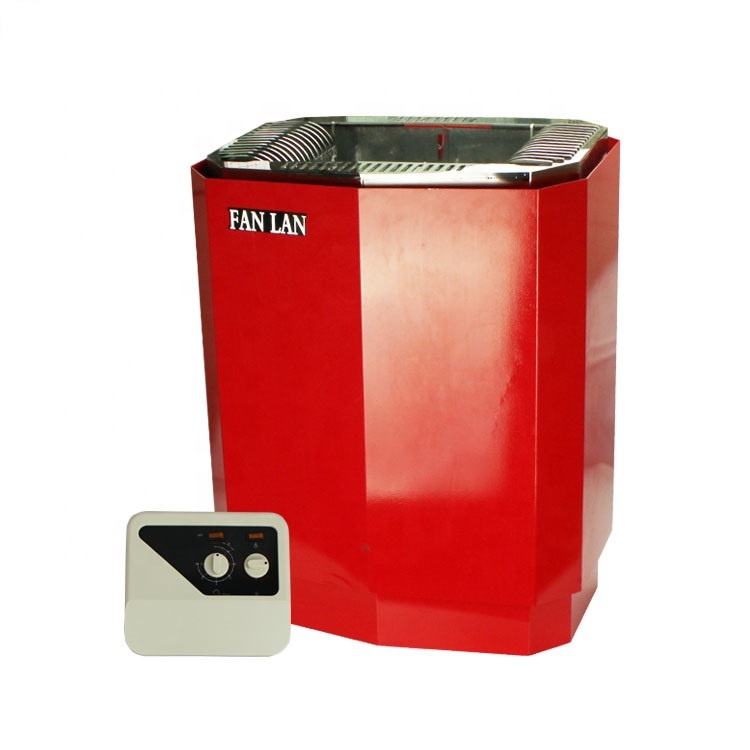
The sauna heater is one of the most important components affecting heating performance. The heater must provide enough power to warm the sauna room efficiently while maintaining stable temperatures during use.
An undersized heater may take longer to reach the desired temperature and may struggle to maintain heat when users enter the sauna or when outdoor temperatures are low. An oversized heater may heat the room quickly but can increase unnecessary energy consumption and equipment costs.
When selecting a sauna heater, buyers should consider:
| Specification | Importance |
|---|---|
| Power Rating | Matches sauna room volume |
| Heating Efficiency | Determines energy usage |
| Temperature Control | Maintains stable conditions |
| Installation Requirements | Ensures safe operation |
| Durability | Supports long-term use |
fanlansauna offers different Sauna Heater solutions designed for different sauna applications. Choosing the correct heater capacity helps improve heating efficiency and provides a more comfortable sauna experience.
For commercial facilities such as hotels, gyms, and wellness centers, heater performance is even more important because the sauna may operate multiple times every day. Reliable heating equipment helps reduce downtime and maintenance requirements.
Outdoor saunas are affected by environmental conditions because the cabin is exposed to external temperature changes. A sauna installed in a cold climate usually requires more heating time than one installed in a warmer environment.
During colder seasons, heat loss through walls, doors, windows, and ventilation areas can increase. A well-designed outdoor sauna should include suitable insulation and construction materials to minimize heat loss.
Important outdoor sauna considerations include:
Wall insulation thickness
Door sealing performance
Window design
Cabin material quality
Installation location
The placement of the sauna also affects heating efficiency. Installing a sauna in a protected area away from strong wind exposure can help maintain temperature stability.
For homeowners, this means the same sauna model may have different heating times depending on location and weather conditions. For commercial buyers, understanding environmental factors helps determine the correct equipment specifications before installation.
A professional supplier can recommend suitable configurations according to climate, usage frequency, and project requirements.
Sauna size has a direct impact on heating time because larger spaces require more energy to increase air temperature and warm interior surfaces.
A small sauna designed for one or two users generally requires less heating capacity and reaches operating temperature faster. Larger saunas designed for families, hotels, or wellness centers require stronger heaters and longer preparation times.
Before selecting a sauna, buyers should evaluate:
| Application | Consideration |
|---|---|
| Home Sauna | Personal capacity and available space |
| Family Sauna | Multiple users and comfort requirements |
| Commercial Sauna | Frequent operation and durability |
| Wellness Project | Large capacity and customization |
A common mistake is choosing a sauna size without considering heater compatibility. The cabin volume and heater capacity must work together to achieve efficient performance.
fanlansauna provides different sauna solutions, including Outdoor Sauna options suitable for different installation environments and user requirements.
Selecting the right combination of sauna size and heating system helps users achieve better performance without unnecessary energy costs.
Although heating time depends on equipment specifications, several practices can improve heating efficiency and reduce unnecessary waiting.
First, maintaining good insulation is one of the most effective methods. A well-insulated sauna loses less heat and allows the heater to work more efficiently.
Second, choosing the correct heater size improves performance. The heater should match the sauna room volume instead of being selected only based on purchase price.
Other ways to improve heating efficiency include:
Keeping doors closed during heating
Maintaining proper ventilation design
Checking heater performance regularly
Reducing unnecessary heat loss
Following recommended operating procedures
For commercial users, regular equipment maintenance is particularly important. Frequent sauna operation can place additional demands on heaters, controls, and structural components.
A reliable sauna system should provide consistent heating performance with reasonable operating costs.
When purchasing sauna equipment, buyers should evaluate more than heating speed. A complete sauna solution requires consideration of cabin design, heater specifications, installation conditions, and long-term service support.
Before ordering, buyers should confirm:
| Item | Details |
|---|---|
| Sauna Type | Outdoor sauna, indoor sauna, custom sauna |
| Room Size | Determines heating requirements |
| Heater Power | Matches sauna capacity |
| Material | Affects durability and insulation |
| Control System | Improves operation convenience |
| Installation | Requires proper planning |
For distributors and commercial projects, supplier capability is especially important. A professional manufacturer should provide technical guidance, customization support, and reliable product quality.
fanlansauna provides complete sauna solutions, including:
Sauna Room Solutions
Infrared Sauna Systems
Steam Sauna Equipment
By selecting suitable equipment and working with an experienced supplier, buyers can create sauna systems with better heating performance and long-term reliability.
Choosing the right sauna supplier helps ensure stable product quality, efficient heating performance, and reliable after-sales support.
fanlansauna specializes in sauna and wellness equipment solutions for residential, commercial, and project applications. The company provides outdoor sauna systems, heating equipment, and customized solutions designed for different customer requirements.
A professional sauna supplier should provide:
Suitable product recommendations
Reliable heating systems
Quality manufacturing
Customization support
Technical assistance
Stable delivery
For homeowners, this helps create a comfortable personal wellness space. For businesses, it supports the development of reliable sauna facilities.
The time required for a sauna to heat up depends on many factors, including sauna size, heater capacity, insulation quality, outdoor conditions, and equipment design.
Most saunas require approximately 30 to 60 minutes to reach a comfortable operating temperature, but selecting the right configuration is the key to achieving efficient performance.
fanlansauna provides professional sauna solutions, including outdoor sauna systems and reliable sauna heaters for different applications. By choosing the correct sauna size, suitable heater power, and quality equipment, users can enjoy a more comfortable and efficient sauna experience.
A: Most saunas take around 30 to 60 minutes to reach a comfortable temperature, depending on size, heater power, insulation, and environmental conditions.
A: Yes. Larger sauna rooms require more energy and usually take longer to reach the desired temperature.
A: Yes. Heater power directly affects how quickly the sauna reaches operating temperature and how well it maintains heat.
A: Outdoor temperature, wind exposure, insulation quality, and sauna construction can increase heating time.
A: Choose the correct heater size, improve insulation, reduce heat loss, and maintain the equipment properly.
A: Consider sauna size, required power, energy efficiency, installation requirements, and long-term durability.
A: Yes. Outdoor saunas are widely used in hotels, resorts, fitness centers, and wellness facilities when equipped with suitable heating systems.


