Views: 0 Author: Site Editor Publish Time: 2026-06-12 Origin: Site

The idea of mixing water and electricity naturally raises a few eyebrows. Traditional wood-burning purists often doubt modern electric units. Meanwhile, new buyers genuinely fear electrocution or equipment damage when contemplating their first session. These safety concerns make perfect sense on the surface.
Fortunately, pouring water on a purpose-built electric sauna heater is safe, entirely expected, and necessary for an authentic experience. It remains the only way to generate löyly—the enveloping sauna steam necessary for true heat penetration. However, safely doing so demands specific engineering standards and correct operation.
This guide breaks down exactly how water impacts your unit over time. We will explore the precise hardware specifications necessary for safe steam generation. You will learn how to evaluate heaters based on their water-handling capabilities. Ultimately, these insights ensure lasting performance without compromising your safety or comfort.
It is highly recommended: Pouring water creates löyly, increasing humidity and apparent heat. Quality electric heaters are specifically engineered for this.
Hardware dictates performance: The safety and quality of the steam depend on the heater’s stone capacity, element shielding, and material grade.
Water quality matters: Using hard water, chlorinated pool water, or improperly diluted essential oils will calcify components and prematurely degrade heating elements.
Patience prevents damage: Water must only be applied when the sauna stones are fully saturated with heat, preventing water from bypassing the stones and hitting cold components.
Modern heaters undergo rigorous design processes before they ever reach a retail shelf. Engineers understand you will pour water onto the unit. They build the internal architecture specifically to handle rapid temperature shifts and moisture.
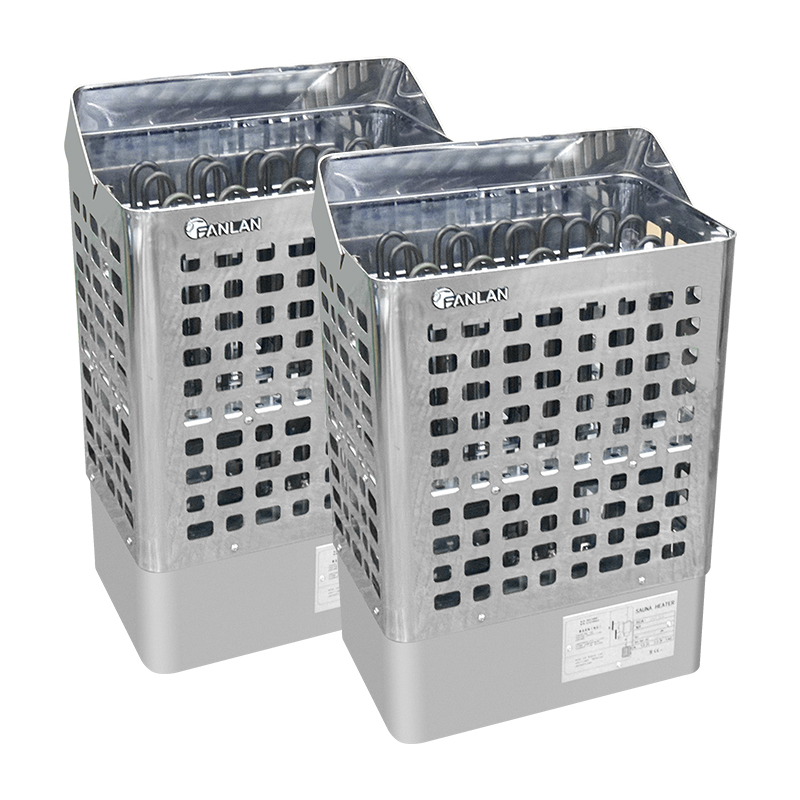
At the core of a modern sauna heater sit heavy-duty heating elements. These resistors usually feature high-grade stainless steel or Incoloy construction. Manufacturers position these metal elements safely beneath or directly intertwined within a dense bed of specialized sauna rocks. This specific arrangement separates the sensitive electrical base from the wet environment above.
The rocks act as a massive thermal barrier. We call this the thermal mass. When you turn the heater on, the elements transfer energy into the stones. The stones eventually reach blistering temperatures between 400°F and 800°F. When you introduce water, it hits these top-layer rocks first. Because the rocks hold so much intense heat, the water vaporizes instantly into pure steam. This flash-boiling process ensures almost zero liquid water actually trickles down to the electrical connections at the base.
Furthermore, safety standards enforce strict construction rules. Reputable brands test their units against rigorous UL (Underwriters Laboratories) or CE certification standards. These specialized testing phases simulate high-moisture, high-heat environments. Inspectors verify adequate waterproofing around the terminal blocks. They test the durability of the element sheathing. Buying a certified unit guarantees the manufacturer engineered it specifically for safely producing heavy steam.
Owning capable hardware represents only half the equation. You must also operate the equipment correctly to protect the heating elements and ensure a premium sweat session.
Temperature prerequisites matter significantly. You should never pour water during the initial heat-up phase. If the stones remain cool, they cannot vaporize liquid efficiently. Water will bypass the rocks, hit the relatively cold metal elements, and potentially drip into the electrical housing below. You must wait until the stones reach their maximum operating temperature. This usually takes 45 to 60 minutes, depending on the room size and insulation.
Mastering volume and technique prevents mechanical fatigue. We recommend following the "ladle rule."
Fill a standard sauna ladle (approximately 0.2 liters).
Pour the water slowly and evenly over the hottest stones.
Wait at least 30 to 60 seconds before adding another ladle.
Listen for the sharp "hiss" of vaporization; if it gurgles, stop pouring immediately.
Pouring too much water too quickly overwhelms the thermal mass. It cools the stones down faster than the elements can reheat them. This halts steam production and exposes the internal components to standing water.
Water quality also dictates the longevity of your heater. Always use fresh, clean tap water or distilled water. Introducing impurities causes aggressive corrosive buildup.
Water Type | Impact on Sauna Heater | Recommendation |
|---|---|---|
Distilled Water | Leaves no mineral residue. Protects elements from calcification. | Highly Recommended |
Clean Tap Water | May leave minor scale over time, but generally safe for daily use. | Acceptable |
Hard/Well Water | Deposits heavy calcium and iron on stones. Causes element failure. | Avoid (or use a filter) |
Pool/Hot Tub Water | Chlorine/Bromine off-gasses toxic fumes. Corrodes steel instantly. | Strictly Prohibited |
Ocean/Salt Water | Salt bakes onto components, causing rapid and severe rusting. | Strictly Prohibited |
Physics plays a critical role inside the rock basket. Even when operated perfectly, an electric sauna heater faces tremendous physical stress. Understanding thermal shock realities helps you manage expectations regarding component lifespan.
When cold or room-temperature water hits glowing hot metal, the metal contracts violently. Once the water boils off, the element expands back to its original size. We call this rapid expansion and contraction thermal shock. Over thousands of cycles, thermal shock creates microscopic fractures in the outer metal sheathing of the heating elements. Eventually, these micro-fractures widen. Moisture breaches the inner core, causing the element to fail and requiring a replacement.
However, pouring water wisely actually aids in overall energy efficiency. The human body perceives humid air as much hotter than dry air. By creating high humidity, the ambient air feels significantly more intense. This allows users to achieve the desired intense sweat response at a lower ambient room temperature. Running your room at 160°F with high humidity often feels hotter than 190°F bone dry. Lowering the thermostat reduces the electrical load over time and saves energy.
Frequent water usage creates a direct correlation with maintenance requirements. As rocks undergo constant thermal shock, they inevitably crack and crumble. This creates sand-like debris at the bottom of the heater.
Restricted Airflow: Debris packs tightly around the elements, trapping heat and causing the metal to melt or warp.
Annual Inspections: You must remove all rocks yearly, clean out the dust, and discard any fractured pieces.
Restacking: Place new rocks loosely around the elements to ensure fresh air can circulate freely upward.
Not all hardware performs equally when exposed to aggressive water use. You need a solid framework to evaluate units before purchasing. Certain technical specifications dramatically improve a unit's ability to produce safe, soft steam.
First, examine the stone capacity to kilowatt ratio. Cheaply manufactured heaters often skimp on the rock compartment. They might offer a powerful 8kW element but only hold 20 pounds of rocks. This creates an imbalance. The rocks cannot hold enough thermal mass to vaporize water efficiently. You end up pouring water directly onto exposed elements. A higher stone volume—typically 40 pounds or more for a standard home unit—protects the internal components much better. More rocks also yield softer, more consistent steam.
Next, inspect the element design and spacing. Look for an electric sauna heater that features optimal spacing between the resistors and the rocks. Premium manufacturers sometimes design separate compartments for the stones. Others use heavy-duty, commercial-grade stainless steel coils built specifically to withstand aggressive commercial water use. Thicker elements resist thermal shock much longer than thin, cheap alternatives.
Control types and thermostat sensors also require attention. Smart sensor placement prevents frustrating shut-offs. When you generate a massive burst of steam, the sudden wave of hot moisture rises rapidly to the ceiling. If the manufacturer placed the temperature sensor too close to the heater, it falsely reads this steam burst as an overheating event. The unit shuts off prematurely. High-quality systems use remote sensors placed away from the direct steam path.
Chart: Comparing Heater Designs for Steam Production | ||
Evaluation Metric | Poor Design | Premium Design |
|---|---|---|
Stone Capacity | Under 25 lbs (Exposed elements) | 40+ lbs (Full element coverage) |
Element Shielding | Thin-gauge metal, clustered tightly | Thick Incoloy, evenly spaced |
Sensor Placement | Built into the heater body directly | Wall-mounted away from steam path |
Warranty Coverage | Excludes water damage entirely | Covers element degradation fairly |
Apply simple shortlisting logic when finalizing your decision. Advise yourself to prioritize manufacturers that clearly publish their water-use guidelines. Transparent brands want you to use their products correctly. They will offer robust warranties covering element degradation under normal use.
Even the finest hardware fails if subjected to user abuse. Manufacturers write warranties with strict guidelines. Violating these rules usually voids your coverage instantly. Understanding implementation risks keeps your equipment functional and your warranty intact.
Direct element exposure remains the primary cause of premature failure. Users sometimes run the machine with too few stones to save money or effort. This leaves the glowing metal coils exposed to the open air. When you throw water onto naked elements, you subject them to extreme, unfiltered thermal shock. They will crack, warp, and short out rapidly. Always maintain a full rock basket.
The essential oil mistake happens constantly among beginners. People love aromatherapy, but dropping undiluted essential oils directly onto the rocks presents severe dangers. Pure essential oils have very low flash points. If they hit a 600°F rock, they can burst into flames instantly, creating a serious fire hazard. Furthermore, oils bake onto the stones and elements, leaving a stubborn, foul-smelling residue. Always dilute a few drops of oil into a full bucket of water before application.
Finally, avoid flooding the base at all costs. We see users "dumping" entire buckets of water onto the rocks simultaneously. The thermal mass cannot vaporize a gallon of water instantly. The excess liquid bypasses the rocks entirely and floods the electrical housing at the bottom. This trips your home's circuit breakers. Worse, it causes permanent short circuits, destroying the motherboard or terminal block. Patience remains your best defense against catastrophic flooding.
We can decisively conclude that an electric sauna heater is fully capable of delivering a traditional wet sauna experience. It requires only that you respect the hardware and maintain it diligently. You do not need to settle for a dry, uncomfortable room just because you opted for an electric model over wood-burning.
If heavy steam sits high on your priority list, adjust your purchasing strategy accordingly. Allocate your budget toward models featuring larger stone capacities and commercial-grade heating elements. These upgrades pay dividends in steam quality and equipment longevity.
As a next step, begin comparing specific high-capacity models. Consult manufacturer specifications to match the unit's size directly to your room volume. If you remain unsure about kilowatt requirements, contact a specialized dealer to help you match hardware exactly to your steam preferences.
A: Warm water is optimal because it significantly reduces the severity of thermal shock on the stones and metal elements. However, cold water remains acceptable if you pour it slowly. The key is controlling the volume so the rocks have time to flash-boil the liquid regardless of its starting temperature.
A: If water runs through the bottom of the heater and pools onto the floor, you have poured too much. This puddle indicates the stones have cooled down too rapidly and lost their immediate vaporization capacity. Stop pouring and let the heater recover its temperature.
A: You can absolutely operate it as a traditional dry sauna. Pouring water is completely optional and entirely dependent on your personal preference for high humidity. The heater functions perfectly fine heating the ambient air without any moisture introduced.
A: A burning smell usually points to poor water quality burning off minerals, or improper use of essential oils. If it is a brand-new setup, you are likely smelling factory dust on the rocks. Always wash new stones thoroughly with clean water before their first use.