
Views: 0 Author: Site Editor Publish Time: 2026-10-01 Origin: Site

Social media feeds overflow with influencers sitting in freezing water for twenty minutes or more. This trend creates a dangerous disconnect from clinically backed cold water immersion protocols. Inconsistent temperatures and arbitrary durations lead to diminished physiological returns. They increase safety risks like hypothermia and frostnip. Ultimately, these flawed approaches cause users to abandon their recovery routines entirely.
Achieving the proven benefits of cold therapy requires precise control over time and temperature. You cannot guess the water temperature and expect consistent metabolic results. Success depends on selecting the right hardware for your specific recovery volume. A dedicated ice bath eliminates the friction of buying bags of ice and guarantees a stable environment. We will explore the exact time thresholds required to trigger physical adaptation without crossing into dangerous territory.
Optimal Duration: Clinical consensus suggests 1–3 minutes per session for beginners, capping at 10–15 minutes for advanced users, with a target of 11 total minutes per week.
Session Spacing: Functional medicine experts recommend spacing sessions at least 24 to 48 hours apart to allow the body adequate time to repair itself and adapt to the cold stress.
Temperature Dependency: Duration is inextricably linked to water temperature; colder water requires shorter exposure times to achieve the same metabolic and recovery responses.
Equipment Dictates Consistency: Maintaining precise temperature control for structured protocols requires evaluating hardware upgrades, moving from uninsulated tubs to systems like a cedar ice bath with chiller.
Safety First: Exceeding 15 minutes offers no additional physical benefits and exponentially increases the risk of cold injury and systemic stress.
The foundation of modern cold exposure therapy rests on the 11-minute weekly threshold. Research indicates that accumulating 11 minutes of cold exposure per week maximizes metabolic benefits. This specific duration triggers the activation of brown adipose tissue. Brown fat burns regular white fat to generate heat, improving overall insulin sensitivity and core temperature regulation. You do not need to hit this target in a single session. Doing so is actually counterproductive and places unnecessary strain on your heart.
Divide this time across two to four sessions. A standard weekly schedule might look like three minutes on Monday, four minutes on Wednesday, and four minutes on Friday. This division prevents central nervous system fatigue. Spacing sessions at least 24 hours apart is a physiological necessity. Cold shock places immense stress on the body. It forces a massive release of norepinephrine and dopamine. The body requires 24 to 48 hours to stabilize these neurotransmitters and repair tissue. Plunging every single day without rest can lead to adrenal fatigue and blunt the adaptive response.
To implement this schedule effectively, follow a structured weekly progression:
Assess your baseline tolerance by starting with a single two-minute session on your first day.
Wait a full 48 hours to monitor how your body recovers and whether you experience excessive fatigue.
Add a second session later in the week, aiming for three minutes.
Gradually increase the frequency to three days a week, adjusting the time per session to hit the 11-minute mark.
Beginners must respect the initial shock response. Start with 1 to 3 minutes per session. Keep the water temperature between 50°F and 60°F. This moderate cold builds mental tolerance without overwhelming the vagus nerve. The primary goal for a beginner is controlling the breath. When you hit cold water, your body involuntarily gasps. You must consciously override this reflex. Slow, deliberate exhalations signal the nervous system to calm down. For general wellness, immunity boosts, and mood elevation, there is absolutely no need to stay in the water longer than 5 minutes.
Advanced users can push these boundaries systematically. Progression involves lowering the temperature before extending the time. Advanced protocols call for 3 to 10 minutes at temperatures between 39°F and 45°F. Durations approaching the 15-minute maximum are strictly reserved for elite athletes. These individuals use prolonged cold exposure to expedite recovery from severe physical exertion, such as ultramarathons or heavy contact sports. They have spent months or years building the vascular efficiency required to withstand extended freezing temperatures safely.
Time and temperature share a strict inverse relationship in cold therapy. You can achieve the exact same physiological response with different combinations of the two. Three minutes in 39°F water yields a similar norepinephrine spike to ten minutes in 55°F water. Colder water strips heat from the body faster, requiring less time to trigger vasoconstriction.
Maintaining a consistent baseline temperature using manual bags of ice is incredibly difficult. As your body heat transfers to the water, the ambient temperature rises. A bath that starts at 45°F might warm to 52°F within five minutes. This warming effect prevents you from hitting your targeted cold threshold. Furthermore, stagnant water creates a thermal boundary layer. Your body heats a thin layer of water directly against your skin, insulating you from the true cold. Automated chilling solutions solve this problem. They continuously circulate and cool the water, breaking the thermal boundary layer and ensuring protocol accuracy.
| User Experience Level | Target Water Temperature | Recommended Duration | Primary Physiological Goal |
|---|---|---|---|
| Beginner | 50°F – 60°F | 1 – 3 Minutes | Breath control, mood elevation, brown fat activation |
| Intermediate | 45°F – 50°F | 3 – 5 Minutes | Inflammation reduction, dopamine stabilization |
| Advanced / Athlete | 39°F – 45°F | 5 – 10 Minutes | Acute muscle recovery, severe exertion flush |
| Elite (Supervised) | 35°F – 39°F | 10 – 15 Minutes (Max) | Extreme central nervous system reset |
Timing dictates the success of using an ice bath for post-workout recovery. You must align your cold exposure with your specific training goals. If your primary goal is muscle hypertrophy, you must wait 4 to 6 hours after lifting weights before entering the cold. Cold water immersion immediately after resistance training blunts the mTOR pathway. It stops the acute inflammation that your muscles actually need to grow and repair. Plunging too soon after a heavy lifting session actively works against your strength gains.
Endurance athletes face different rules. Runners, cyclists, and fighters benefit from immediate cold exposure. Plunging right after a marathon flushes lactic acid and drastically reduces delayed onset muscle soreness. Map your duration to your specific recovery outcome. Use 5 to 10 minutes for acute inflammation reduction after heavy endurance work. Use 1 to 3 minutes on rest days for a simple central nervous system reset. Understanding this timing distinction separates effective recovery from counterproductive habits.
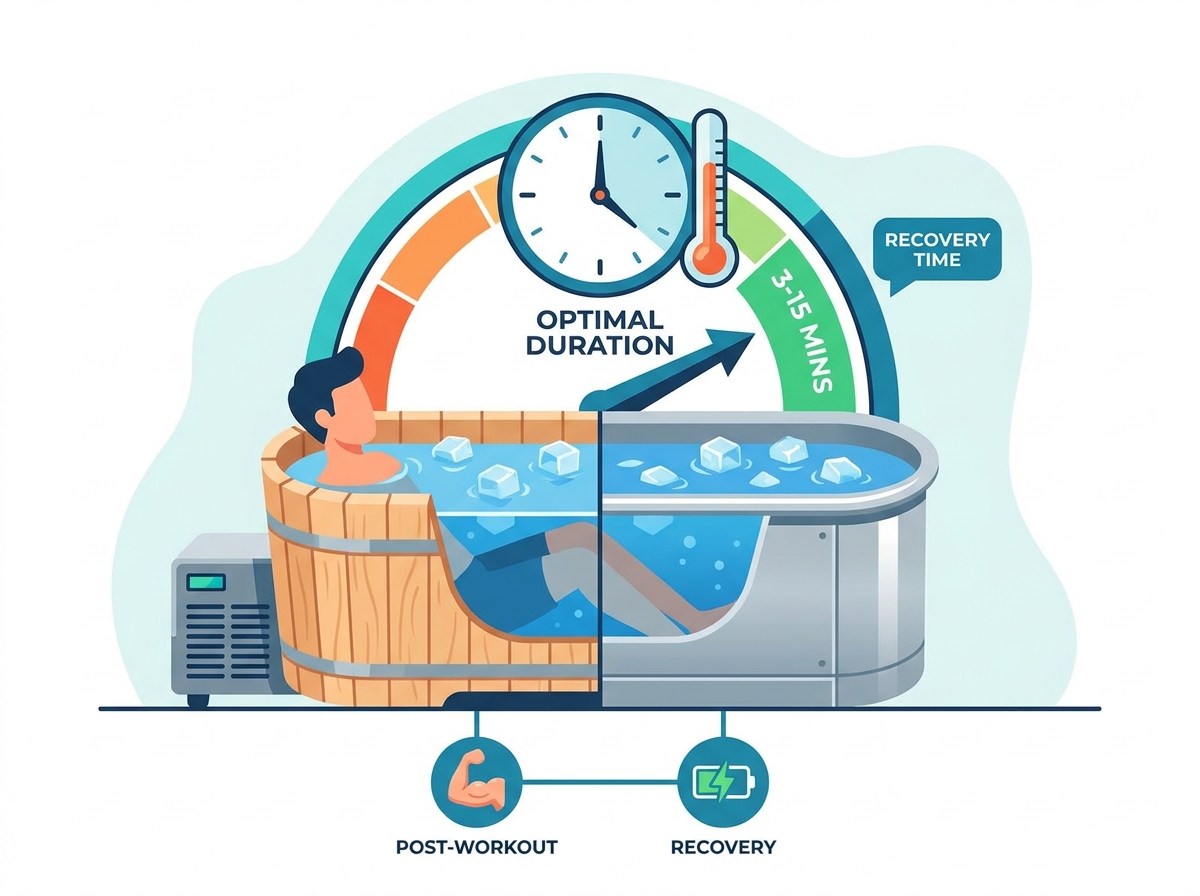
Evaluating a wooden ice bath vs portable cold plunge reveals stark differences in thermal efficiency. Portable and inflatable tubs serve as entry-level solutions. They offer a low barrier to entry for users testing the waters of cold therapy. However, they carry a high implementation risk regarding insulation. Thin plastic or PVC walls fail to trap cold. This leads to rapid temperature loss. You might start your session at 45°F, but ambient air quickly warms the water. This inconsistency causes session durations that fail to meet clinical thresholds. Inflatables also suffer from severe condensation issues in humid environments, creating puddles on your floor.
Wooden and hard-sided tubs provide superior thermal efficiency. Rigid materials trap the cold, ensuring the water temperature remains static from minute one to minute ten. This structural longevity is non-negotiable for users committing to a multi-day weekly routine. A hard-sided tub eliminates the daily frustration of massive temperature fluctuations. It also withstands the physical wear and tear of daily use, whereas inflatables inevitably develop micro-punctures over time.
A cedar ice bath with chiller offers an exceptional features-to-outcomes ratio. Automated chillers completely eliminate the variable of melting ice. You simply set the digital thermostat to your desired temperature. The chiller holds the water at exactly 42°F, allowing you to dial in exact temperatures to match your targeted duration safely. You never have to worry about the water warming up mid-session. The continuous flow generated by the chiller pump also breaks the thermal boundary layer, maximizing the efficiency of your time in the water.
Cedar wood brings distinct functional advantages to the setup. It possesses natural antimicrobial properties that resist mold, rot, and bacterial buildup. This makes cedar ideal for wet environments where lesser woods would quickly decay. Furthermore, cedar provides a premium aesthetic integration. It blends seamlessly into permanent residential backyards or commercial wellness center setups, elevating the visual appeal of the recovery space while delivering high-performance thermal retention.
Scalability and compliance drive the demand for a stainless steel ice bath for recovery. Stainless steel provides clinical-grade sanitation. Its non-porous surface prevents bacteria from taking root. This makes it the ideal choice for high-volume use. Clinics, commercial gyms, and sports facilities with multiple athletes expediting recovery require a material that can be sanitized instantly between users. You can wipe down stainless steel with standard disinfectants without degrading the material.
Stainless steel delivers unmatched durability. It will not puncture like inflatable PVC or warp under extreme weather conditions. It also boasts rapid cooling retention capabilities. The metal walls conduct and hold the cold generated by the chiller efficiently. This ensures the water stays locked at the target temperature for the full 10 to 15-minute maximum duration, even with back-to-back users. When paired with a high-horsepower chiller, a stainless steel tub recovers its target temperature within minutes after a user exits.
The concept that longer is better is a dangerous fallacy in cold therapy. Physical adaptation operates on a bell curve. Once you hit the optimal threshold, benefits plummet while risks skyrocket. The primary mechanism of cold therapy is vasoconstriction. Cold forces blood away from the extremities and into the core to protect vital organs. This flushes toxins and reduces peripheral inflammation.
A physiological plateau occurs around the 15-minute mark. At this point, the vasoconstriction benefits end. The body triggers the Lewis hunting response. Blood vessels suddenly dilate again in a desperate attempt to send warm blood back to freezing limbs and prevent frostbite. This completely defeats the purpose of the initial vasoconstriction. Tissue damage risks begin immediately after this phase. Exceeding 15 minutes is strictly advised against without direct medical supervision. Pushing past this limit invites severe hypothermia, nerve damage, and dangerous drops in core body temperature.
Safe rewarming protocols are just as critical as the plunge itself. Allow your body to shiver naturally. Shivering is a metabolic workout that activates brown fat and generates internal heat. Taking a hot shower immediately after a plunge abruptly stops this metabolic process, robbing you of the benefits. Only use a lukewarm shower if hypothermia is a genuine risk and you cannot stop shivering after twenty minutes. Always seek medical advice prior to starting cold therapy, particularly for individuals with cardiovascular contraindications or high blood pressure.
Maintenance represents the hidden operational reality of cold therapy. Stagnant water breeds bacteria rapidly. Ensure your setup includes robust water filtration. A proper maintenance routine involves several non-negotiable steps:
Install a 20-micron pleated filter to capture skin cells, hair, and environmental debris.
Utilize an ozone generator to neutralize pathogens without relying heavily on harsh chemicals like chlorine, which can degrade tub materials.
Clean the chiller condenser fins monthly with compressed air to maintain cooling efficiency.
Check the water flow rate weekly to ensure the pump is not restricted by a clogged filter.
Perform a complete water change every three to four weeks, depending on usage volume, to reset the water chemistry.
Consult your primary care physician to clear any cardiovascular risks before initiating a cold exposure routine.
Purchase a reliable floating thermometer to verify your water temperature matches your intended protocol duration.
Map out a weekly schedule that spaces your sessions 24 to 48 hours apart to guarantee proper central nervous system recovery.
Upgrade from manual ice bags to an automated chiller system to lock in precise temperatures and eliminate daily setup friction.
A: Beginners should aim for 1 to 3 minutes at a moderate cold temperature of 50°F–60°F, focusing heavily on breath control. There is no need to exceed 5 minutes for general wellness and mood elevation.
A: Yes. Medical professionals strongly advise against exceeding 15 minutes due to the high risk of hypothermia and frostnip. Staying in past 15 minutes triggers a reverse blood flow response, offering no added recovery benefits.
A: Plunging 2 to 4 times per week is optimal. This frequency allows you to hit the 11-minute weekly target while giving the body 24 to 48 hours to recover and repair tissue between sessions.
A: It is generally recommended to let your body rewarm naturally to maximize the metabolic benefits of shivering. However, a lukewarm shower can be used safely if hypothermia is a genuine concern.
A: Yes. Insulated materials like cedar or double-walled stainless steel retain cold significantly better than thin plastics. This ensures the temperature remains stable for your entire session without rapid warming from ambient air.


