Views: 0 Author: Site Editor Publish Time: 2026-07-18 Origin: Site
You already understand the physiological benefits of cold exposure. The science clearly supports reduced inflammation, boosted dopamine, and faster muscle repair. Your current barrier is simply choosing the right daily implementation. Consistency drives the results of any cold therapy practice. The wrong setup creates high maintenance friction. Frustrating temperature fluctuations quickly lead to eventual abandonment.
You must evaluate the aesthetic, high-insulation permanence of a wooden unit against the flexible utility of a portable setup. We will explore how material choices impact thermal efficiency and daily usability. You will learn the exact requirements for plumbing, space, and chilling integration. This guide helps you confidently select the ideal system for your daily protocol. It removes the guesswork from building your optimal recovery space.
Insulation vs. Mobility: Wooden setups offer superior baseline thermal retention and aesthetic permanence, while portable options prioritize mobility and lower initial upfront costs.
Chiller Integration: Both systems require a reliable cold plunge chiller for daily, ice-free use, but compatibility and plumbing requirements differ significantly.
Space & Setup Realities: Wooden units demand structural floor support and dedicated space; portable units can be seasonal and easily stored.
We must evaluate a recovery ice bath across four specific performance metrics. Thermal efficiency dictates the daily workload on your chilling unit. Solid materials trap cold effectively. Thin materials let ambient heat invade quickly. This forces the compressor to run constantly. You must consider daily electricity usage based on material selection.
Durability and climate resistance matter greatly for outdoor installations. UV rays degrade cheap plastics quickly. Wood requires proper sealing. Puncture risks constantly threaten inflatable models. You must evaluate your specific climate extremes. Indoor setups face fewer environmental threats but still require waterproof surrounds.
Sanitation dictates your maintenance friction. You want high water turnover rates. Ozone and UV filtration systems keep water clear safely. You need compatible ports for these systems. Surface cleaning requirements vary by material. Smooth acrylic liners wipe down easily. Porous surfaces demand harder scrubbing.
Ergonomics determine your physical comfort. Tub depth matters for full submersion. You want the water to reach your neck comfortably. Proper posture support allows you to relax fully. Partial submersion limits physiological benefits. You should measure internal dimensions carefully.
| Dimension | Solid Wood & Liner | Portable Inflatable |
|---|---|---|
| Thermal Retention | Excellent (Thick walls block ambient heat) | Poor to Moderate (Requires continuous chilling) |
| Durability | High (Resists punctures and warping) | Moderate (Vulnerable to sharp objects) |
| Sanitation | Easy (Smooth liners prevent biofilm buildup) | Variable (Seams can trap bacteria over time) |
| Ergonomics | Rigid support, deep submersion profiles | Flexible walls, posture support varies widely |
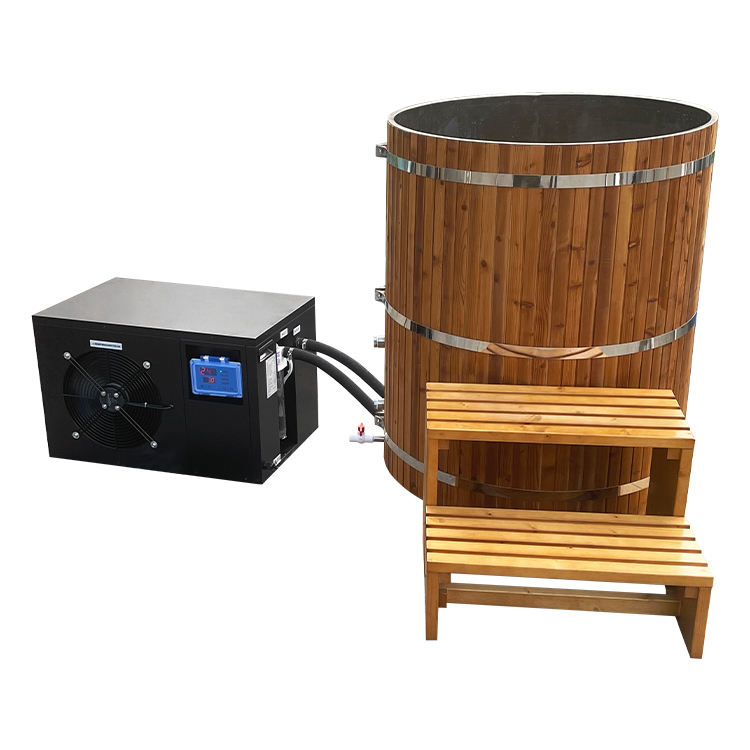
A wooden ice bath offers distinct structural advantages. It blends naturally into outdoor patios. It elevates premium home gyms effortlessly. It never looks like temporary equipment. You gain a permanent architectural fixture. Cedar and thermowood provide beautiful visual textures.
Heavy-duty wood exteriors provide natural insulation. Builders often pair them with stainless steel inserts. Acrylic liners also work exceptionally well. These combinations dramatically reduce temperature loss. They minimize your chiller run-time. The dense cellular structure of wood naturally resists thermal transfer.
Properly sealed wood ensures extreme longevity. It resists bowing under heavy water loads. Punctures never threaten solid frames. You avoid the warping issues common in cheap plastics. Structural integrity remains high for years. Regular wood oiling keeps the exterior looking brand new.
Implementation does carry some specific risks. Shipping weights are high. You need a perfectly level foundation. Decks must support heavy static loads. A filled tub weighs hundreds of pounds. You must plan the delivery route carefully to avoid clearance issues.
Portable designs offer rapid deployment. Inflatable drop-stitch units set up quickly. Soft-shell designs assemble in minutes. You can fill them almost immediately. They suit renters perfectly. Seasonal movers benefit heavily from this flexibility. You can pack them away during harsh winters.
These units lower the barrier to entry significantly. You can validate your daily recovery habit first. You avoid committing to permanent fixtures immediately. It allows you to test the protocol safely. You learn whether cold exposure fits your lifestyle.
Implementation risks exist with portable models. You must watch out for specific failure points:
Micro-leaks often develop along welded seams over time.
Exterior condensation causes heavy sweating in humid environments.
High thermal loss requires continuous mechanical chilling to hold temperatures.
Daily ice runs become logistically exhausting without a dedicated cooling engine.
UV exposure degrades PVC materials rapidly during summer months.
Daily ice dumps remain totally unsustainable. You face the logistical drain of buying ice bags constantly. Purchasing 40 pounds of ice daily exhausts you. Automated mechanical cooling solves this problem entirely. It keeps your routine consistent.
A dedicated cold plunge chiller changes everything. Wooden tubs require hard-plumbed ports. They yield highly efficient operation. Inherent insulation makes the cooling process whisper-quiet. The compressor cycles on infrequently. It holds 39°F with minimal effort.
Portable tubs present chiller compatibility challenges. They usually rely on over-the-wall hoses. Some use standardized quick-connect fittings. Chillers often work much harder here. They run longer due to poor tub insulation. You hear the compressor running more often.
Safety requires strict electrical compliance. You must use GFCI outlets always. Outdoor chillers need IPX4 waterproof ratings. Proper clearance ensures adequate compressor airflow. Never restrict the ventilation grills. Blocked airflow destroys compressors rapidly.
You must evaluate your living situation honestly. Consider your daily habits.
Choose the wooden setup if:
You own your home and have a dedicated permanent space.
You prioritize high-end backyard aesthetics.
You want maximum energy efficiency year-round.
You plan on daily use for many years.
Choose the portable setup if:
You currently rent your living space.
You travel frequently and want mobility.
You want to test your commitment first.
You face strict budget constraints initially.
The hybrid approach blends both worlds effectively. You can upgrade a high-PSI inflatable tub. You pair it with a premium commercial chilling engine. This balances initial costs with reliable temperature control. It serves as a great stepping stone.
Your best option depends entirely on your living situation and budget timeframe. Upfront equipment costs differ drastically from long-term durability expectations. Permanent wooden structures reward you through superior thermal retention and aesthetic appeal. Portable units provide unmatched flexibility for transient lifestyles.
Neither tub works optimally for daily use alone. You absolutely need a dedicated cooling mechanism. Buying ice daily guarantees you will eventually quit the practice.
Take specific action steps today. Measure your intended installation space carefully. Check your local electrical output limits. Confirm whether you have 15A or 20A circuits available. Review specific product warranties before making your final decision.
A: A well-maintained wooden tub lasts 10 to 15 years. Stainless steel or acrylic liners prevent internal degradation. Portable PVC or nylon tubs typically last 2 to 5 years. UV exposure and seam stress dictate the lifespan of portable models.
A: You risk severe damage leaving portable tubs outside in freezing weather. Internal chiller pipes can freeze and burst. PVC materials become brittle and crack. Insulated wooden models handle freezing ambient temperatures much better, though you still must keep water circulating.
A: Solid wood tubs require swelling periods and meticulous moisture control. However, modern wood-paneled tubs use acrylic or steel liners. The water never touches the wood. You simply maintain the exterior wood panels using standard UV-protective oils periodically.
A: It generally increases your bill by $15 to $30 monthly. The exact range depends heavily on your local climate and desired water temperature. Highly insulated wooden tubs keep this cost lower. Poorly insulated portable tubs push the cost toward the higher end.


