Views: 0 Author: Site Editor Publish Time: 2026-08-03 Origin: Site

Commercial saunas operate under extreme stress, often running 12 to 24 hours a day. This continuous thermal cycling accelerates wear on components far beyond residential use cases. Unplanned sauna downtime directly impacts facility reputation, member retention, and revenue. Reactive maintenance leads to premature element failure, increased energy consumption, and potential fire liabilities. Transitioning from a reactive repair model to a proactive, scheduled maintenance framework reduces long-term operational expenses and prevents catastrophic equipment failure. Facility managers must implement strict daily, monthly, and quarterly protocols to keep the equipment operating safely. This guide outlines the exact procedures required to maintain high-traffic sauna environments, focusing on stone management, electrical inspections, and water quality control to ensure maximum uptime and bather safety.
Stone Degradation is the Primary Failure Point: Commercial units require stone inspection and reseating every 2 to 3 months to prevent airflow blockages that burn out heating elements.
Water Quality Dictates Element Lifespan: Hard water and improper water application by bathers cause mineral scaling, which acts as an insulator and forces the heater to overwork.
Surrounding Hygiene Impacts Heater Airflow: Accumulations of dust, lint, and sweat residue on benches and floors are drawn into the heater's intake, posing a fire risk and coating the elements in carbonized debris.
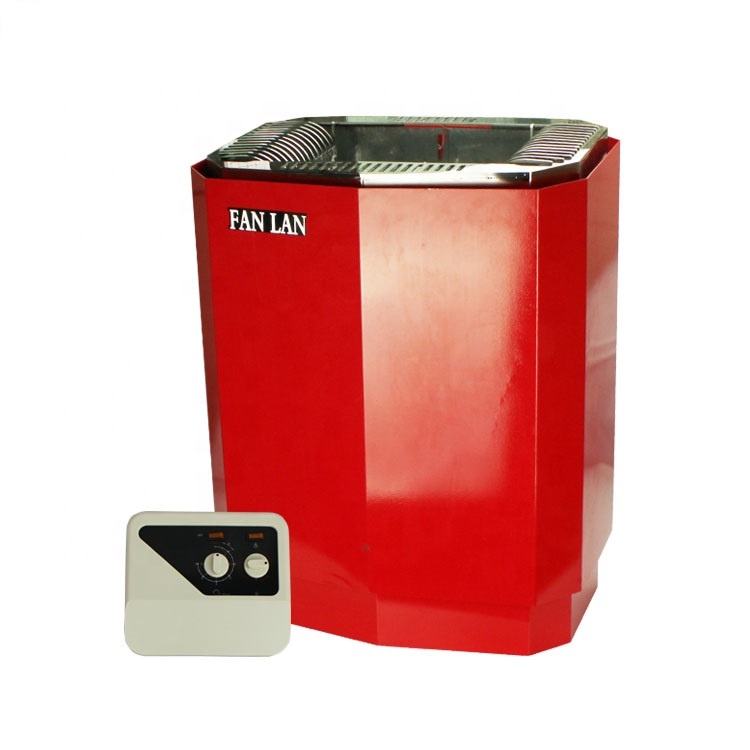
External Controls Simplify Diagnostics: Utilizing systems like a Commercial Outside Control 8KW Sauna Heater isolates sensitive electronics from the extreme heat and moisture of the sauna room, reducing electrical maintenance frequency.
Compliance Requires Documentation: Maintaining a strict, documented maintenance log is critical for warranty validity, insurance compliance, and passing municipal health and safety inspections.
Framing maintenance as a mechanism to guarantee maximum uptime, predictable energy expenditures, and bather safety is essential for facility managers. A residential sauna might see three to four hours of weekly use, allowing components to cool and rest. In contrast, a commercial environment subjects the equipment to upwards of eighty hours of weekly operation. Continuous heat expansion and contraction severely degrade both the metal elements and the surrounding stones. You cannot treat a commercial unit like a home unit.
The cascading failures of poor maintenance are predictable and preventable. Compacted stones lead to restricted airflow. This restriction causes high-limit switches to trip repeatedly. Eventually, the trapped heat results in warped or melted heating elements, necessitating emergency electrician call-outs and extended facility downtime. We see this constantly in the field when maintenance logs are ignored. The metal jackets of the heating elements blister and split open, exposing the internal resistance wire to moisture, which immediately shorts out the system.
To understand the scale of the problem, consider the thermal mass involved. A standard commercial unit holds between 50 and 150 pounds of igneous rock. When these rocks heat to 400 degrees Fahrenheit and are suddenly hit with cold water, the thermal shock causes micro-fractures. Over weeks of continuous use, these fractures cause the stones to split and crumble into gravel. This gravel falls to the bottom of the rock tray, packing tightly around the base of the heating elements. Air can no longer flow from the bottom intake vents up through the rock mass. The elements overheat, the high-limit sensor trips, and the room goes cold.
Facility managers must train their staff to recognize the early warning signs of equipment fatigue. Waiting for a component to fail before taking action guarantees unhappy guests and expensive rush-shipping fees for replacement parts. Implementing a rigid inspection schedule is the only way to stay ahead of the degradation curve.
Establishing a baseline for daily, weekly, and monthly checks keeps the equipment running within manufacturer specifications. Front-line staff must perform visual inspections of the heater guard and exterior casing daily. Look for discoloration, warping, or physical damage. Check the floor beneath the unit for stone fragments, which serve as an early indicator of stone breakdown. Wipe down the exterior with a damp microfiber cloth, strictly avoiding harsh chemicals that can vaporize when the room heats up.
Inspect the wooden heater guard for signs of scorching or loose fasteners.
Sweep the floor directly under the unit to check for fallen rock debris or dust.
Wipe the stainless steel exterior with a damp cloth to remove sweat and towel lint.
Verify the room thermometer matches the set point on the external controller.
Once a month, power down the unit completely to inspect the elements. Look for signs of blistering, sagging, or white mineral scaling. Verify that the high-limit sensor and thermostat remain free of dust and debris. Use specialized, non-corrosive, sauna-safe cleaning agents or a mild citric acid solution to gently descale elements without corroding the metal jacket. Never use abrasive wire brushes on the elements, as this scratches the protective outer layer and accelerates rust.
Every three months, remove all stones to vacuum the rock compartment and clear out fine stone dust. Test the accuracy of the thermostat against an independent, calibrated thermometer to ensure energy efficiency and accurate climate control. This is also the time to check the wall mounting brackets. The constant expansion and contraction of the wood walls can cause the lag bolts holding the unit to loosen over time. Tighten all mounting hardware to ensure the unit remains level and secure.
Washing benches, walls, and floors weekly prevents organic debris like skin cells, sweat, and hair from turning into airborne dust. This dust inevitably coats the internal components. Clean air intake pathways at the base of the unit prevent localized overheating and uneven element wear. If the floor drains back up or the room is not properly ventilated, excess moisture will linger in the room overnight, accelerating corrosion on the terminal blocks and element bases.
Commercial saunas need stone reseating every two to three months due to the physics of thermal shock. Constant heating followed by cold water dousing causes stones to crack, crumble, and settle at the bottom of the rock compartment. This settling chokes off airflow and traps destructive heat directly around the elements. You must pull every single rock out of the heater to inspect them properly.
Identifying degraded stones requires a hands-on approach. Discard stones that have crumbling edges, split down the middle, or produce a hollow sound when tapped together. Replacing a simple box of stones proactively prevents the need for an entire element replacement later. Wash new stones thoroughly with a hose before placing them in the heater to remove the fine manufacturing dust that will otherwise burn off and create a terrible smell in the room.
| Stone Condition | Action Required | Impact on Heater |
|---|---|---|
| Solid, heavy, rings when tapped | Keep and reuse | Maintains optimal heat retention and airflow. |
| Cracked or split in half | Discard immediately | Will soon crumble and block air passages. |
| Crumbling edges, chalky texture | Discard immediately | Creates dust that coats elements and restricts airflow. |
| Hollow sound when tapped | Discard immediately | Internal micro-fractures present; will fail soon. |
Proper stone placement dictates optimal airflow. Place larger stones at the bottom of the chamber to establish a stable, open base. Lay the remaining stones loosely between and around the elements to allow hot air to rise freely without restriction. Avoid tight packing at all costs. Ensure the elements are completely covered to shield them from direct water dousing, but never crush or bend them under heavy rocks. The elements need room to expand slightly as they heat up. If they are pinned down by tightly wedged rocks, they will warp and eventually snap.
Heat cycling causes terminal block screws to loosen over time, creating high-resistance connections that pose significant fire risks. Having a certified technician inspect wiring and terminals for heat degradation annually is mandatory for commercial operations. The technician should use a torque screwdriver to ensure all connections meet the manufacturer's specifications. Loose wires generate excess heat, which melts the insulation and destroys the contactors.
Evaluating specialized equipment offers distinct structural advantages. Utilizing a Commercial Outside Control 8KW Sauna Heater keeps contactors, relays, and circuit boards entirely outside the hot room. This isolation extends their lifespan and makes diagnostic testing safer and faster for maintenance staff. The digital interface allows operators to run early diagnostics, check for error codes, and monitor phase amperage draw long before a hardware failure occurs. When the electronics are housed inside the hot room, they are subjected to 190-degree heat and high humidity, which drastically shortens the life of the printed circuit boards.
Test the high-limit reset button regularly and ensure the temperature sensor remains correctly positioned according to manufacturer specifications, typically a specific distance above the unit and below the ceiling. If the sensor gets bumped or moved during cleaning, it will send inaccurate readings to the controller, causing the room to either overheat or fail to reach the target temperature. Always verify the sensor wire has not been pinched or damaged by shifting wood panels.
Calcium and magnesium deposits from hard water coat the heating elements, acting as an insulator that forces the system to work harder to reach target temperatures. Implement mitigation strategies such as using filtered water or establishing a strict descaling routine if permitted by the manufacturer. When scale builds up on the elements, it traps heat inside the metal jacket, causing the internal resistance wire to burn out prematurely.
Establishing clear rules for water application prevents bathers from drowning the Sauna Heater. Educate bathers and staff that water must be ladled slowly over the stones, never dumped. Slow application allows for instant vaporization and prevents water from pooling in the electrical compartment below. If water bypasses the hot stones and hits the cold floor, it means the bathers are pouring too much water too quickly, or the stones have degraded and are no longer retaining enough heat to vaporize the water.
Applying undiluted essential oils directly to stones or elements creates a severe fire hazard and leaves a corrosive residue. Always enforce proper dilution ratios and application techniques to protect the equipment. Eucalyptus and peppermint oils are highly flammable. If they hit a bare heating element, they will ignite. Staff must pre-mix the sauna water with the correct ratio of essential oils before bringing the bucket into the room.
Define clear staff training requirements. Front-desk or janitorial staff should handle daily visual checks and exterior wiping. Facility engineers must handle stone replacement and deep cleaning. Create a physical logbook that stays in the mechanical room or at the front desk. Every time a maintenance task is performed, it must be signed and dated. This creates a paper trail of accountability.
Establish strict boundaries for in-house maintenance. Any tasks involving the breaker panel, internal wiring, element replacement, or contactor testing must be outsourced to licensed electricians. This ensures the facility maintains UL/CE certifications and keeps warranties intact. Do not let untrained staff attempt to replace heating elements. The wiring must be routed correctly to avoid touching the hot metal casing, and the high-temperature wire nuts must be secured properly.
Logging maintenance intervals and parts replacement helps calculate the true return on investment of the equipment and informs future procurement decisions. A documented history proves due diligence during health and safety inspections. If a fire or injury occurs, the insurance company will immediately request the maintenance logs. If you cannot produce them, your claim may be denied.
Routine, documented maintenance is non-negotiable for commercial saunas. The upfront labor of quarterly stone reseating and monthly inspections is vastly outweighed by the savings in energy efficiency and extended equipment lifespan. When evaluating new equipment, prioritize units designed for easy maintenance, specifically those with accessible rock compartments, heavy-duty elements, and external control panels.
Download and implement a standardized daily, weekly, and monthly maintenance log for your facility.
Schedule an immediate stone inspection and reseating if one has not been completed in the last 90 days.
Audit your current water quality and install filtration if hard water scaling is detected.
Train all front-line staff on proper water ladling techniques and essential oil dilution rules.
A: In a commercial setting, inspect and reseat the stones every two to three months. Replace any cracked, crumbling, or hollow-sounding stones immediately to maintain proper airflow and protect the heating elements.
A: The high-limit switch usually trips due to restricted airflow caused by compacted or degraded stones. It can also trip if the temperature sensor is improperly placed or covered in dust.
A: You can use tap water, but if your facility has hard water, the calcium and magnesium will cause rapid mineral scaling on the elements. Filtered water is highly recommended to extend element lifespan.
A: Power down the unit completely. Once cool, use a mild citric acid solution or a manufacturer-approved, non-corrosive descaler with a soft brush to gently remove the white scale without damaging the metal casing.
A: With rigorous daily and quarterly maintenance, a commercial unit can last many years. However, the heating elements themselves are consumable parts and typically require replacement every one to three years depending on usage hours.
A: An outside control unit houses sensitive electronics like relays and circuit boards away from extreme heat and moisture. This drastically reduces electrical component failure and allows technicians to perform diagnostics without entering the hot room.


