
Views: 0 Author: Site Editor Publish Time: 2026-06-19 Origin: Site


Many wellness brands boldly claim their products can instantly melt fat. These aggressive marketing tactics leave consumers rightfully wary. You might wonder if miracle weight-loss promises hold any truth. It is normal to question whether sitting in a heated environment actually delivers measurable physical results.
High-heat environments do provoke intense sweating and significant cardiovascular responses. Your heart rate climbs steadily. Your body works incredibly hard to cool itself down. This natural physiological reaction closely mimics the exertion of moderate exercise. The heat forces your circulatory system to adapt rapidly.
However, a sauna room is not a standalone cure for weight loss. Instead, it acts as a powerful, scientifically backed catalyst for metabolic health. It enhances workout recovery and improves daily stress management. When you integrate it into a broader fitness lifestyle, you unlock its true potential for improving body composition over time.
Water Weight vs. Fat Loss: Immediate scale drops post-sauna are strictly fluid loss; however, the cardiovascular exertion does yield a modest, verifiable caloric burn.
Metabolic & Hormonal Support: Regular use helps lower cortisol (which drives fat storage) and slightly elevates the Basal Metabolic Rate (BMR) via increased core temperature.
Workout Multiplier: The primary weight-loss value of a sauna room lies in accelerating muscle recovery, enabling more consistent and intense training sessions.
Investment Lens: Purchasing a sauna should be evaluated on holistic health ROI (cardiovascular health, longevity, recovery) rather than rapid weight loss alone.
Many users step on the scale immediately after a heat session. They see a quick drop of one to three pounds. They mistakenly believe they burned pure body fat. This sudden reduction represents purely water weight. You must replenish this lost fluid immediately. Failing to do so causes severe dehydration. Losing water simply does not equal losing adipose tissue.
How does the body actually respond to intense heat? Your core temperature rises quickly. Your heart must pump faster to push blood toward your skin. This process cools your vital organs. Heart rates often reach 100 to 150 beats per minute. This cardiovascular exertion closely mimics moderate-intensity steady-state (MISS) cardio. Your blood vessels dilate. Your overall circulation improves dramatically.
You undoubtedly burn more calories sitting in high heat than resting at room temperature. The cooling process demands significant energy. However, this caloric expenditure remains entirely supplementary. It will never replace active physical exercise. It cannot substitute a dedicated caloric deficit. Think of heat exposure as a slight metabolic boost.
Comparative Caloric Burn Framework (Estimated for a 160 lb adult) | |||
Activity (30 Minutes) | Estimated Heart Rate (BPM) | Estimated Calories Burned | Primary Mechanism |
|---|---|---|---|
Sitting at Room Temperature | 60 - 70 | 30 - 40 | Resting Metabolic Rate (RMR) |
Sitting in High Heat | 100 - 150 | 50 - 80 | Thermoregulation & Elevated RMR |
Brisk Walking (MISS Cardio) | 110 - 130 | 150 - 200 | Active Muscular Contraction |
This chart clearly illustrates a fundamental truth. Heat therapy elevates your resting baseline. It does not replace the raw energy demands of physical movement. You must align your expectations correctly.
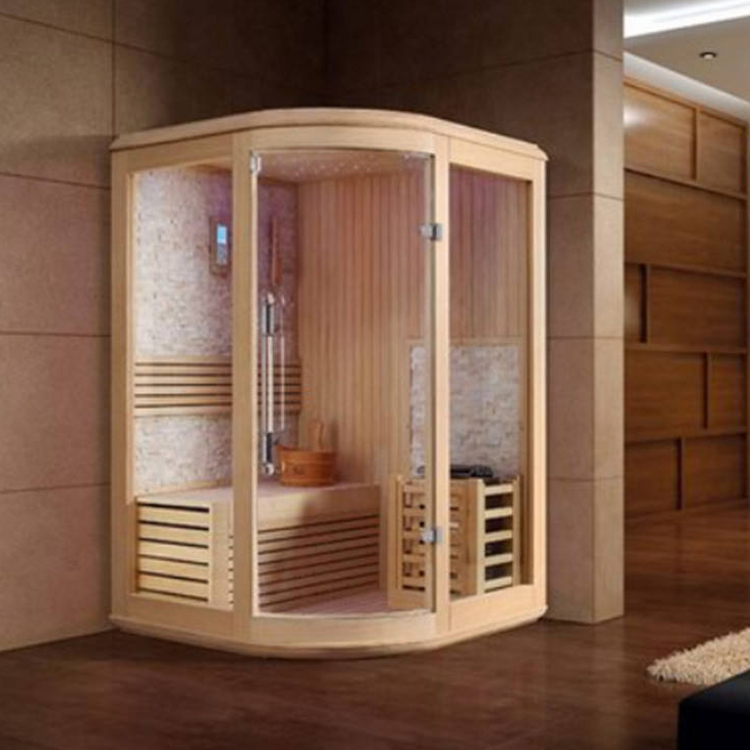
The true magic happens between your actual workouts. Heat therapy significantly increases blood flow. It targets oxygen-depleted muscles effectively. This massive influx of nutrient-rich blood accelerates tissue repair. It drastically reduces Delayed Onset Muscle Soreness (DOMS). Faster recovery means you can maintain a higher weekly training volume.
When you bounce back quickly, you miss fewer days at the gym. Consistency ultimately drives long-term fat loss. You build more lean muscle over time. More muscle mass naturally increases your daily resting metabolic rate.
Modern lifestyles cause chronic daily stress. This stress severely elevates cortisol levels in your body. High cortisol directly encourages visceral fat retention. This stubborn fat typically gathers around the belly. Stepping into a heated sanctuary changes your internal state. It activates your parasympathetic nervous system. This specific "rest and digest" state lowers stress hormones efficiently. Managing psychological stress remains a crucial component of effective weight management.
Medical consensus highlights deeper cellular benefits as well. Regular heat exposure encourages your body to produce heat shock proteins. These unique proteins repair damaged cells efficiently. They improve overall cellular function and longevity.
Data trends from authoritative health institutions show promising results. Heat therapy can incrementally improve your insulin sensitivity. Better insulin function means your body manages blood sugar effectively. It utilizes fat for energy instead of storing it. You experience fewer energy crashes and sugar cravings.
Workout: You perform a rigorous physical training session.
Heat Exposure: You enter the heated space to induce vasodilation.
Nutrient Delivery: Accelerated blood flow clears metabolic byproducts quickly.
Nervous System Reset: The parasympathetic system engages to lower cortisol.
Readiness: You wake up the next day experiencing significantly less soreness.
You must choose the right environment to ensure consistency. Different technologies offer distinct physical experiences. Both styles provide excellent wellness benefits.
Traditional models primarily heat the ambient air inside the cabin. Temperatures usually range between 150°F and 195°F. This intense environment induces a heavy, immediate sweat. These models are ideal for users desiring extreme cardiovascular conditioning. They provide an authentic Nordic spa experience. Many property owners prefer this style for exterior installations. If you have backyard space, an Outdoor Sauna Room using traditional heating offers a fantastic daily retreat.
An infrared model operates entirely differently. It uses specific light waves to heat your body directly. Ambient air temperatures remain much lower. They typically hover between 120°F and 140°F. A Far Infrared Sauna Room suits users managing lower heat tolerance perfectly. It works exceptionally well if you face indoor space constraints. The deeper tissue penetration provides excellent joint relief. It allows for sustained, comfortable sessions without feeling overwhelmed by heavy air.
Neither style is inherently better for direct fat loss. The right choice depends entirely on your personal preferences. You need an environment you will tolerate happily. You must use it consistently to see physiological results.
Technology Comparison for Wellness Goals | ||
Feature | Traditional Heating | Far Infrared Heating |
|---|---|---|
Temperature Range | 150°F – 195°F | 120°F – 140°F |
Heating Method | Convection (Heats the air first) | Radiant (Heats the body directly) |
Session Duration | 10 – 20 Minutes (Shorter) | 20 – 45 Minutes (Longer) |
Best Use Case | Intense sweating, Nordic experience | Joint relief, lower heat tolerance |
Safety must always remain your highest priority. You must follow strict guidelines for hydration. Drink at least 16 ounces of water before stepping inside. Bring an electrolyte-rich beverage into the cabin. Afterward, continue hydrating generously to replace all lost fluids. Ignoring this rule can lead to hypovolemia. This condition represents a dangerous drop in overall blood volume.
Do not chase extreme durations right away. Many beginners mistakenly think longer sessions guarantee more fat loss. Instead, start with manageable intervals. Try 10 to 15-minute sessions initially. Listen closely to your body. Exit the cabin immediately if you feel dizzy or lightheaded. Gradually scale your exposure over several weeks. Slow adaptation builds endurance safely.
Heat therapy is not suitable for everyone. Pregnant individuals should avoid extreme heat exposure entirely. People managing specific cardiovascular conditions must consult a physician first. If you take prescribed blood-pressure medications, you face higher risks of fainting. Always prioritize professional medical advice over popular wellness trends.
Fasting Beforehand: Entering high heat on an empty stomach often causes severe dizziness. Eat a small snack an hour prior.
Alcohol Consumption: Never drink alcohol before a session. It compounds dehydration and dangerously impairs cardiovascular function.
Ignoring Electrolytes: Sweating drains sodium, potassium, and magnesium. Plain water does not replace these critical minerals adequately.
Skipping the Cool Down: Give your body 10 minutes to return to a normal temperature before jumping into a freezing shower.
Move away from the "weight loss miracle" mindset entirely. Frame this purchase properly. Think of it as building your personal wellness infrastructure. You are investing in daily muscle recovery. You are investing in deep stress relief. You are supporting your cardiovascular conditioning for the long haul.
You must evaluate material and build quality carefully. Look for untreated, non-toxic woods. Hemlock and Cedar represent excellent choices. These premium materials resist moisture naturally. They will not off-gas dangerous chemicals under extreme high heat. Your respiratory safety matters during every session.
Heating technology requires close attention. Infrared models should feature verified low-EMF ratings. This certification ensures daily safety against electromagnetic fields. Traditional heaters need reliable kilowatt (kW) output. A weak heater struggles to heat the space efficiently. It leaves you shivering instead of sweating.
Assess your home footprint and electrical requirements accurately. A standard 110V plug-and-play model offers incredibly easy installation. It fits perfectly into small interior spaces. Larger units demand much more power. They typically require 220V hardwired setups. You must hire a licensed electrician to install these heavy-duty systems properly.
Measure your available floor space three times before ordering. Include clearance for doors.
Check your home electrical panel capacity. Ensure you have room for a dedicated circuit.
Read the manufacturer warranty closely. Prioritize brands offering lifetime coverage on specific heating elements.
Consider the bench layout. You want enough room to lie down fully if space permits.
A heated wellness space serves as a highly effective supplementary tool. It boosts your cardiovascular health safely. It speeds up your physical recovery dramatically. It reduces psychological stress efficiently. All these distinct factors indirectly but powerfully support sustainable weight loss.
You must pair heat exposure with proper nutrition and active exercise. It is not a magic solution on its own. However, when used consistently, it transforms how your body handles physical exertion.
Evaluate your spatial needs and personal health goals today. Browse curated collections of reliable models. Discover which style fits your daily routine best. Contact a dedicated wellness consultant for personalized sizing recommendations and specific technical advice.
A: Yes, you do burn calories due to an increased heart rate and thermoregulation. The total remains modest, roughly 1.5 times your resting metabolic rate. It provides a supplementary benefit and should never replace active physical exercise.
A: No, there is no direct difference in weight loss potential. Your choice simply dictates the type of heat used and the aesthetic experience. It impacts your spatial layout, not your specific metabolic outcome.
A: A timeframe of 20 to 45 minutes represents the standard effective range. Because infrared technology uses lower ambient heat, it allows for longer, safer sessions compared to traditional setups. Always start slow as a beginner.
A: It accelerates your physical recovery and prolongs the elevated heart rate from your workout. However, the primary benefit remains muscle repair and tension relief. It helps you return to the gym faster, rather than causing immediate fat oxidation.
