
Views: 0 Author: Site Editor Publish Time: 2026-06-21 Origin: Site


Wellness routines have evolved dramatically over the past decade. Health enthusiasts are increasingly shifting from casual gym facility usage to dedicated in-home setups. However, a dangerous misconception persists among many users. They believe enduring extreme heat for longer periods automatically guarantees superior health results. In reality, this stubborn "more is better" mindset usually triggers physiological stress instead of promoting recovery.
This article offers an evidence-based framework for safe heat exposure times. Prospective buyers and new users will learn how to integrate heat therapy smoothly into daily routines. You will discover exactly how different technologies dictate your ideal session duration. We will explore the critical physiological variables dictating your personal limits. Understanding these factors ensures you maximize the benefits safely while minimizing cardiovascular strain.
Optimal Baseline: Most scientific literature points to 15–20 minutes per session for peak cardiovascular and relaxation benefits.
Technology Dictates Time: You can safely stay in a Far Infrared Sauna Room longer (30–45 minutes) than a traditional high-heat sauna.
The Protocol Matters: Total time commitment includes heat-up, the session itself, cool-down, and rehydration—not just time spent sweating.
Bio-Feedback Over Clocks: Heart rate and perceived exertion are safer, more accurate indicators for exiting than a strict timer.
Cardiovascular benefits from heat therapy typically peak within a specific timeframe. Medical research identifies a 15 to 20-minute window as the optimal baseline. During this period, your core body temperature rises safely. Your heart rate elevates gently. Blood vessels dilate to improve circulation. This cardiovascular response closely mimics moderate physical exercise. Staying inside a sauna room longer does not multiply these specific benefits. It merely increases the workload on your body.
Beginners must respect their lower initial tolerance levels. If you are new to heat therapy, limit early sessions to 5 or 10 minutes. Your autonomic nervous system needs time to adapt to acute thermal stress. The sympathetic nervous system activates rapidly during initial exposures. Monitor your breathing and heart rate closely. Conditioned users can safely push toward the 20-minute mark in high heat. Their bodies have adapted over time. They sweat more efficiently. They regulate core temperature better.
Pushing past scientifically validated limits introduces significant health risks. Dehydration is the most immediate threat you face. Heavy sweating rapidly depletes vital electrolytes like sodium and potassium. You might experience heat exhaustion if you ignore early warning signs. Prolonged exposure forces your heart to work excessively hard to cool your body down. This cardiovascular strain reverses the intended therapeutic benefits. Always prioritize physiological feedback over an arbitrary clock on the wall.
Best Practice: Keep a digital or sand timer visible inside the cabin. Never treat it as a mandatory finish line.
Common Mistake: Trying to compete with others by staying in the heat longer than your body comfortably allows. This ego-driven behavior leads directly to dangerous overheating.
Technology completely changes how you calculate your session duration. Traditional dry or wet cabins operate at intensely high temperatures. They typically range between 150°F and 195°F. The extreme heat creates immediate physiological stress on your skin. Because of this aggressive environment, duration rules dictate shorter sessions. Users should strictly limit their time to 10 or 20 minutes. The hot ambient air triggers a rapid, heavy sweat almost immediately.
Infrared technology offers a fundamentally different experience. A Far Infrared Sauna Room operates at much lower temperatures. These units usually run between 110°F and 140°F. They rely entirely on radiant heat rather than convection. This specific wavelength penetrates your skin and soft tissue directly. It warms your body deeply from the inside out. The core temperature rises at a slower, more sustainable pace. Consequently, the duration rule changes dramatically. You can safely enjoy longer sessions lasting 25 to 45 minutes without overwhelming your cardiovascular system.
These stark differences directly impact your purchasing decisions. Buyers must evaluate how they intend to spend their session time. An infrared environment feels much milder and relaxing. It is perfect for users wanting to read, meditate, or perform light stretching over an extended period. Traditional cabins suit users seeking an intense, quick burst of high heat.
Comparison of Heating Technologies and Session Duration | ||
Feature | Traditional Heating Cabin | Far Infrared Environment |
|---|---|---|
Operating Temperature | 150°F – 195°F | 110°F – 140°F |
Heat Delivery Method | Ambient hot air (convection) | Radiant light penetrating tissue |
Recommended Duration | 10 – 20 minutes | 25 – 45 minutes |
Core Benefit Profile | Rapid, intense sweat production | Deep, slow-building internal warmth |
Home ownership requires realistic expectations regarding your time commitment. Many buyers underestimate the actual schedule needed for a complete protocol. A "15-minute sweat" does not mean your entire routine takes 15 minutes. We must map out the real-world routine clearly. Doing so prevents daily scheduling frustrations and ensures you use the equipment consistently.
Follow this structured breakdown of the total time cost:
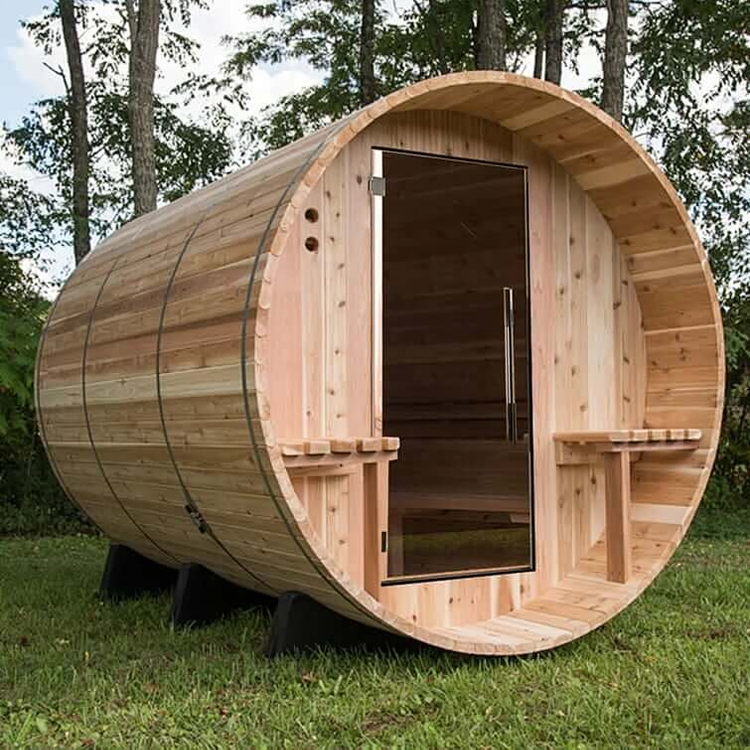
Phase 1: Pre-Heating. You must wait for the cabin to reach an optimal temperature. Traditional heaters usually require 30 to 45 minutes. An Outdoor Sauna Room may take considerably longer. Cold winter climates naturally slow the process. Lower heater kilowatt ratings also extend this pre-heating phase.
Phase 2: The Session(s). Many enthusiasts practice the "Rule of Rounds" rather than sitting for one continuous block. You might spend 15 minutes in the heat initially. You follow this up immediately by resting outside the cabin for 10 minutes. You then repeat this cycle a second time for maximum vascular training.
Phase 3: The Cool Down. Proper physiological recovery is mandatory before returning to normal activities. You need a cold plunge, a cool shower, or ambient air cooling. This phase stabilizes your blood pressure safely. It gently brings your elevated heart rate back to resting levels. Allow 10 to 15 minutes for this critical step.
When you add these phases together, the reality becomes clear. A seemingly brief wellness habit actually requires a 45-to-60-minute lifestyle window. Buyers planning their installation must carve out adequate time to enjoy the investment safely. Skipping the cool-down phase often leads to lingering fatigue or headaches.
Your maximum safe duration depends heavily on several individual physiological variables. Hydration status acts as the primary bottleneck for your time limit. Pre-session water intake dictates how effectively your body produces sweat. If you enter the cabin slightly dehydrated, your core temperature will spike dangerously fast. You must drink at least 16 ounces of water beforehand to ensure proper thermoregulation.
Age and baseline health greatly impact your thermal regulation capacity. Cardiovascular fitness improves how efficiently your heart pumps blood to the skin for cooling. Highly fit individuals often tolerate heat stress longer safely. Conversely, older adults might experience slower autonomic responses. Their blood vessels may not dilate as rapidly to release internal heat. They should strictly limit session times to the lower end of the recommended ranges.
Pay close attention to hard, medical-adjacent guidelines regarding red flags. Your body will signal when it reaches its physiological limit. Step out immediately if you notice any of these symptoms:
Sudden dizziness or severe lightheadedness upon standing up from the bench.
Nausea, stomach discomfort, or a feeling of impending faintness.
Rapid, irregular heart palpitations fluttering in your chest.
A sudden cessation of sweating despite high ambient temperatures inside the cabin.
Blurry vision or feelings of extreme mental confusion.
We must explicitly caution against mixing alcohol and heat therapy. Alcohol causes significant baseline dehydration. It also compounds vasodilation risks. Both the heat and the alcohol cause your blood vessels to expand simultaneously. This dangerous combination can trigger a sudden, severe drop in blood pressure. It frequently leads to fainting, falls, or serious cardiovascular events.
Choosing the right equipment requires an honest evaluation of your daily schedule. Different buyer profiles align better with specific heating technologies. You must match the equipment to your available free time. Failing to do so often results in an expensive unit gathering dust.
The High-Efficiency Buyer needs immediate results. These individuals usually prefer a rapid, intense sweat before heading to work. We strongly recommend traditional heaters for this demographic. You can step into a 180°F cabin and break a heavy sweat within 5 minutes. The entire active session wraps up cleanly in under 20 minutes. It perfectly fits a tight, highly regimented morning schedule. You get in, sweat profusely, and get out.
The Slow-Recovery Buyer has entirely different lifestyle needs. These users often seek relief from chronic joint pain or muscle stiffness. They prefer long, meditative sessions spanning up to 40 minutes. We highly recommend infrared technology for this specific user. The lower temperature allows for a comfortable, extended stay. You can listen to podcasts, read a book, or stretch comfortably without feeling overwhelmed by harsh air.
Space availability and physical location also change your usage habits over time. Building an outdoor structure often shifts your routine entirely. You might move away from a daily, quick-use habit. Outdoor cabins frequently encourage longer, slower weekend rituals. You must brave the elements to reach the structure. This added physical effort turns the session into a dedicated lifestyle event rather than a quick daily chore. Consider how overall session frequency will fluctuate based on where you install the unit.
The ideal duration for your heat therapy is never a universal number. It is strictly governed by the equipment's specific heating mechanism and your body's personal acclimatization level. Traditional cabins demand shorter, more intense stays. Infrared environments support longer, milder sessions safely.
We highly recommend the "start low, go slow" methodology for all users. Beginners should prioritize cautious, brief exposures over impressive time records. Your cardiovascular system needs several weeks to adapt fully to regular thermal stress safely.
Prospective buyers evaluating different models must look at their calendars honestly. Consider your daily availability carefully before choosing between traditional and infrared systems. Matching the technology to your real-world lifestyle ensures you will actually use the investment consistently and safely.
A: Yes, daily use is generally safe for healthy individuals. You must keep sessions within the recommended 15 to 20-minute range. Hydration is strictly maintained before and after each session. Monitor your body for fatigue. Take a rest day if you experience lingering lethargy.
A: It typically takes 30 to 45 minutes to reach an optimal temperature. This timeframe depends heavily on cabin insulation and ambient outdoor weather. Heater size also plays a crucial role. Cold winter climates will naturally extend the required pre-heating period.
A: Some highly conditioned users do stay for an hour. However, 30 to 45 minutes remains the recommended cap. Staying longer increases the risk of severe dehydration. You should always consult a physician before attempting prolonged therapeutic protocols for chronic conditions.
A: Yes, breaking your time into chunks is highly effective. Practicing "rounds" like two 10-minute sessions with a cooling break works well. This approach offers comparable vascular training benefits. It crucially places much lower acute stress on your cardiovascular system.
