Using a sauna effectively maximizes your return on investment for health, recovery, and relaxation. It promotes profound physical benefits. It also ensures deep mental restoration. However, many users ignore proper protocols. Incorrect usage often leads to intense discomfort. It can create serious safety hazards. It may also cause premature wear on the equipment. We must approach heat therapy objectively. We focus on verifiable physiological responses. Heat exposure causes vasodilation and heart rate elevation. We ignore exaggerated wellness claims. You will learn the exact steps to prepare your body. We will cover the core heating and cooling cycles. You will also discover how to adapt routines based on specific equipment types. By following these evidence-based best practices, you protect your body and your investment.
**Preparation is non-negotiable:** Hydration and hygiene directly impact both physiological safety and the lifespan of the sauna room wood.
**Time and temperature vary by type:** A Far Infrared Sauna Room requires a different duration and temperature baseline than a traditional Finnish sauna.
**The cooling phase is critical:** The cardiovascular benefits rely heavily on the complete cycle of heat exposure followed by controlled cooling and rest.
**Safety supersedes endurance:** Usage should be guided by individual physiological feedback, not competitive timing.
Proper preparation dictates the success of your session. You cannot ignore baseline hydration requirements. You should consume 16 to 32 ounces of water before entering. This prevents premature dehydration. You must avoid alcohol entirely. You should also skip caffeine and heavy meals. These substances strain your cardiovascular system. They impair your body's natural cooling mechanisms. A hydrated body sweats efficiently. This regulates your core temperature safely.
Hygiene plays a critical role in preserving your equipment. You must shower before stepping inside. A quick wash removes natural body oils. It strips away lotions and perfumes. This prevents serious skin irritation under intense heat. More importantly, it protects the porous wood of your sauna room. Unwashed skin leaves oily residue. This residue causes permanent staining. It accelerates structural degradation over time.
You must also select the right attire. Use clean, breathable cotton towels. Synthetic fabrics often trap heat. They may even melt or off-gas at high temperatures. You should always sit on a folded towel. The towel acts as a crucial barrier. It captures sweat before it hits the bench. This maintains strict sanitation. It also keeps the wood looking pristine for years.
Heat therapy follows a precise, physiological cycle. You must manage thermal loads carefully. A structured approach ensures safety. It also guarantees maximum cardiovascular benefits. Follow these strict steps for an optimal session.
Initial entry and positioning: Start your session on the lower benches. Heat rises naturally. The lower levels offer a milder temperature. This allows your body to acclimate slowly. Situate your feet at the same level as your hips. Reclining or sitting cross-legged ensures even body heating. It prevents blood from pooling in your lower extremities.
Duration and thermal load: Limit initial sessions to 10 or 15 minutes. You should monitor your body closely. "Pushing through" discomfort is a dangerous habit. It offers zero verifiable health benefits. Enduring extreme heat increases your risk of syncope. Fainting inside a hot environment is incredibly dangerous. Step out the moment you feel uneasy.
The Löyly effect (Traditional only): Traditional units utilize heated stones. You can pour water over these rocks to create steam. This is called "löyly" in Finnish. It increases ambient humidity rapidly. This makes the air feel much hotter. Apply water in small, controlled scoops. Using too much water cools the stones too fast. It can also cause scalding steam burns. Excessive water may damage the electrical heating elements.
The cool-down phase: The cooling phase is absolutely critical. Exit the cabin and lower your core temperature gradually. Start with ambient air cooling for a few minutes. Follow this with a cool shower or a cold plunge. Cold exposure constricts blood vessels rapidly. This creates the "vascular gymnastics" that improve heart health. You must take a mandatory 10 to 15-minute rest. Your heart rate must normalize before you re-enter for a second round.
Different technologies require different usage protocols. You cannot treat all heat therapy units the same. Traditional operations rely on convection heat. The heater warms the air. The hot air then warms your body. These units operate between 150°F and 195°F. They require active humidity management. You must use shorter initial durations. The extreme air temperature stresses the body quickly.
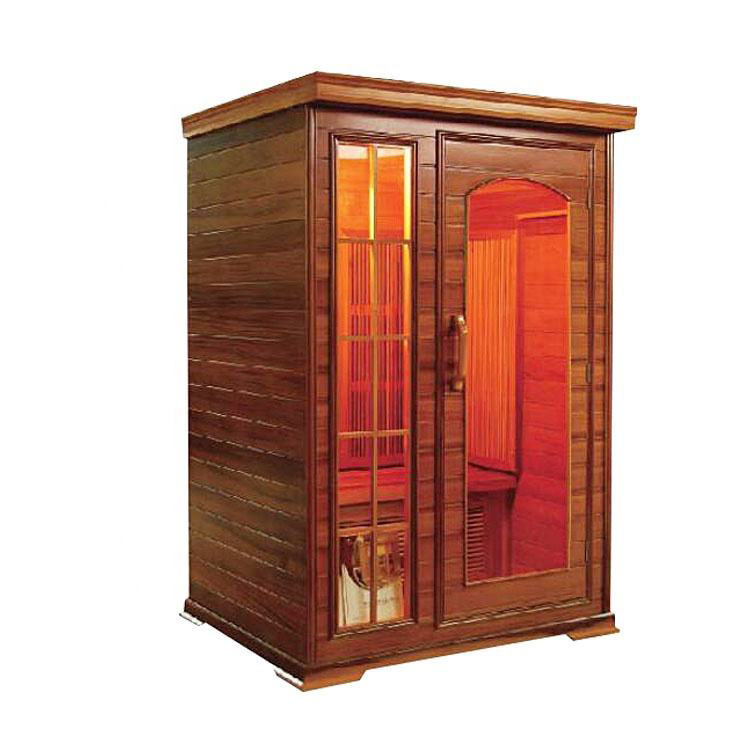
Conversely, a Far Infrared Sauna Room operates differently. It utilizes radiant heat. The infrared panels warm your body directly. They do not heat the surrounding air significantly. These units operate at much lower temperatures. The standard range falls between 110°F and 130°F. The environment feels much gentler on the lungs.
You must adjust your protocols accordingly. Infrared sessions can safely last much longer. Users often stay inside for 20 to 45 minutes. The lower ambient heat creates less cardiovascular stress. However, infrared units lack steam generation. You will not receive the respiratory benefits associated with wet steam. You must evaluate your preferences carefully. Align your daily protocol with the specific technology you use.
Feature | Traditional Convection | Far Infrared Radiant |
|---|---|---|
Heat Mechanism | Heats the air, which then heats the body. | Heats the body directly via light waves. |
Operating Temperature | 150°F – 195°F (65°C – 90°C) | 110°F – 130°F (43°C – 54°C) |
Typical Duration | 10 – 15 minute intervals | 20 – 45 continuous minutes |
Humidity Control | Adjustable (via pouring water on rocks). | Fixed (dry heat only). |
Outdoor units introduce complex environmental variables. You must plan for drastic temperature shifts. Exiting an Outdoor Sauna Room into cold winter air shocks the system. This provides excellent contrast therapy. However, it requires careful management. You should keep a warm robe nearby. Limit extreme cold exposure if you have high blood pressure.
Operational readiness changes with the seasons. Cold climates demand longer pre-heating times. A cabin might take 30 minutes to heat in summer. It could require an hour during freezing winters. You must account for this delay in your schedule. Ensure the door seals tightly. Drafts will significantly impact the internal temperature.
Footwear and transitional safety become paramount. You must travel safely from your house to the yard. Winter paths become icy. Wood decks turn slippery. You should wear slip-resistant sandals or insulated slippers. Retain your body heat during the walk. A sudden slip can cause severe injuries.
You must maintain strict ventilation awareness outside. Exterior vents ensure safe oxygen turnover. Snowstorms or fallen leaves can block these vents. Blocked vents lead to stagnant air. They reduce the oxygen levels inside the cabin. Always inspect the exterior intakes before turning the heater on. Clear away any debris immediately.
Safety must dictate every session. You must understand cardiovascular realities. Heat therapy applies physiological strain. Your blood vessels dilate. Your heart rate elevates significantly. A standard session mimics moderate physical exercise. This conditions the cardiovascular system. It also means you must treat it with respect.
Absolute contraindications exist in clinical literature. Certain medical realities prohibit heat therapy entirely. You must seek physician approval if you fall into high-risk categories. Unstable angina renders usage unsafe. Severe aortic stenosis presents a critical risk. Anyone with a recent myocardial infarction must avoid extreme heat. Pregnant individuals should strictly consult their doctors. Core temperature elevation poses risks during fetal development.
You must recognize heat exhaustion instantly. Ignore the desire to stay inside. Exit immediately if you experience warning signs. Watch out for these specific symptoms:
Sudden dizziness or severe lightheadedness.
Unexplained nausea or abdominal cramping.
A sudden cessation of sweating (a critical medical emergency).
Localized skin tingling or numbness.
Blurry vision or ringing in the ears.
We rely on skeptic-friendly benefit framing. We stick strictly to clinically backed outcomes. Heat therapy provides temporary relief of joint stiffness. It delivers profound stress reduction. It supports long-term cardiovascular conditioning. We explicitly reject unverifiable "toxin purging" claims. Sweat consists mainly of water and salt. Your liver and kidneys handle detoxification. Framing usage around facts ensures realistic expectations.
The session does not end when you step out. Proper post-session care is vital. It dictates your recovery speed. It also determines equipment longevity. You must follow strict rehydration metrics. The average body loses roughly one pint of sweat per 15-minute session. You must replace this fluid immediately. Drink electrolyte-enhanced water. Avoid sugary sports drinks. Plain water combined with a pinch of salt works perfectly.
You must perform an immediate equipment wipe-down. Sweat contains bacteria and salt. If left behind, it degrades the timber. Use a clean, damp cloth. Wipe down the benches thoroughly. Wipe the backrests where bare skin made contact. This simple protocol prevents bacterial growth. It keeps the cabin smelling fresh. It prevents unsightly dark stains on the wood.
Moisture evacuation represents the final step. Traditional steam sessions leave the interior damp. You must dry it out completely. Leave the cabin door wide open. Keep the heater running for 10 to 15 minutes post-session. The residual heat will bake the moisture out. The open door lets the humid air escape. This prevents mold formation. It stops the wood from rotting over time.
Following a structured protocol ensures exceptional results. It protects your personal safety entirely. It also guarantees maximum equipment longevity. You must respect the physiological demands of heat therapy. Prioritize hydration and hygiene every single time. Never push past your physical limits.
Keep these variables in mind when evaluating options. Factor in your personal heat tolerance. Assess your willingness to perform daily maintenance. Traditional units offer intense heat and steam. Infrared units provide a gentler, longer session. Outdoor models require more logistical planning. Align your choice with your lifestyle.
We encourage you to take the next step safely. Always consult your specific manufacturer manuals for detailed operations. Browse distinct categories based on your operational preferences. Implement these evidence-based steps today. Enjoy a safer, more restorative experience.
A: Beginners should strictly limit sessions to 5-10 minutes maximum. Your body needs time to adapt to the thermal stress. You can scale up slowly. Add one or two minutes per session over several weeks. Never exceed 15 minutes during your first few weeks of use.
A: Always use it after a workout. Using it beforehand induces premature dehydration. It causes early muscle fatigue. Post-workout usage aids in muscle recovery. It promotes vasodilation, which flushes lactic acid. Ensure you rehydrate thoroughly between your workout and your heat session.
A: Always ask others before pouring water on the rocks. Some users cannot tolerate sudden spikes in steam and heat. Keep your noise to an absolute minimum. Always sit on a personal towel to maintain sanitation. Close the door quickly when entering or exiting.
A: Yes, daily use is generally safe. However, it depends entirely on your individual tolerance. You must adhere to strict hydration protocols. Because the ambient heat is lower, it causes less cardiovascular strain. Monitor your body carefully and take rest days if you feel fatigued.