Views: 0 Author: Site Editor Publish Time: 2026-07-01 Origin: Site
Modern wellness facilities serve as primary revenue drivers for hospitality brands. Guest expectations for luxury experiences are unforgiving today. They demand perfection from the moment they step into a spa. However, this front-end guest experience relies heavily on invisible back-end infrastructure. Substandard equipment often leads to fluctuating temperatures. It causes noisy operation and frustrating downtime. You cannot deliver a five-star experience using unreliable systems.
Upgrading to a commercial-grade steam bath generator is a critical investment. This technology balances premium relaxation for your guests and operational predictability for your staff. Reliable generators eliminate cold spots and maintain continuous vapor flow. They protect your facility's reputation and ensure seamless daily operations. When you choose the right equipment, you secure long-term success and effortless maintenance.
Commercial steam generators dictate guest satisfaction through rapid heat-up times, uninterrupted steam flow, and precise temperature control.
Automated maintenance features (like auto-flush and descaling) drastically reduce staff workload and equipment downtime.
Selecting the right hotel steam room equipment requires calculating not just room volume, but wall materials, peak utilization hours, and local water quality.
Upgrading to a high-capacity spa steam generator improves energy efficiency and ensures compliance with commercial safety regulations.
Inconsistent steam room performance damages facility reviews immediately. Modern spa-goers frequently share their experiences online. A cold or malfunctioning steam room creates lasting negative impressions. It forces spa members to cancel subscriptions and seek alternative wellness centers. Repeat hotel bookings often depend on consistent, high-quality amenities. Bad equipment jeopardizes these valuable revenue streams. Facility managers cannot afford daily complaints regarding room temperatures. They need reliable infrastructure to uphold brand prestige.
Defining a successful steam room deployment requires clear benchmarks. You must measure performance against rigorous hospitality standards. A flawless installation consistently meets the following requirements:
Zero Cold Spots: Steam must disperse evenly across every seating tier.
Near-Instant Delivery: Systems must supply dense vapor immediately during peak hours.
Silent Operation: Mechanical noises must never disrupt the peaceful environment.
Uninterrupted Uptime: Equipment must function reliably across daily operating schedules.
Commercial wellness environments experience sustained, high-traffic utilization. Dozens of guests might cycle through a facility in a single afternoon. This heavy usage quickly overwhelms residential or light-commercial units. Small units lack the reservoir capacity for constant steam generation. They struggle to recover heat when doors open frequently. Commercial environments demand robust equipment built for punishing schedules. Facilities must install systems engineered specifically for high-volume, continuous duty.
Proportional steam delivery systems maintain exact room temperatures perfectly. Cheaper units rely on basic on/off heating cycles. These basic cycles create jarring hot and cold spikes. Guests feel a blast of scalding vapor followed by chilly lulls. Commercial generators use variable heat output instead. They inject small, precise amounts of steam continuously. This advanced technology keeps the environment comfortably stable. It ensures a relaxing, consistent thermal experience for everyone.
Mechanical operation should never disrupt a tranquil spa environment. Noise-reduction technology is vital for premium guest experiences. Standard valves often hiss loudly during steam injection. Water refilling processes can create distracting gurgling sounds. High-end commercial units incorporate specialized sound dampening materials. They utilize proper steam head baffling to soften vapor release. This acoustic control allows guests to meditate and relax fully. Quiet operation signifies true luxury in any wellness space.
Modern wellness directors offer premium, multisensory packages to attract clients. Commercial generators natively support synchronized environment controls. These integrated systems elevate a simple heat session into an immersive journey. Consider these popular sensory enhancements:
Aromatherapy Systems: Automated pumps inject essential oils directly into the steam line.
Chromatherapy Lighting: Synchronized LED arrays shift colors to promote specific moods.
Audio Integration: Bluetooth modules stream relaxing soundscapes through heat-proof speakers.
These features transform a basic amenity into a profitable treatment destination.
Guests harbor an "on-demand" expectation in modern luxury settings. They expect immediate steam upon entering the cabin. Waiting twenty minutes for a room to heat up causes extreme frustration. Commercial units utilize rapid-start technology to solve this issue. They maintain a pre-heated water state inside the reservoir. This allows the system to deliver steam within seconds of activation. Rapid delivery impresses users and maximizes room utilization rates.
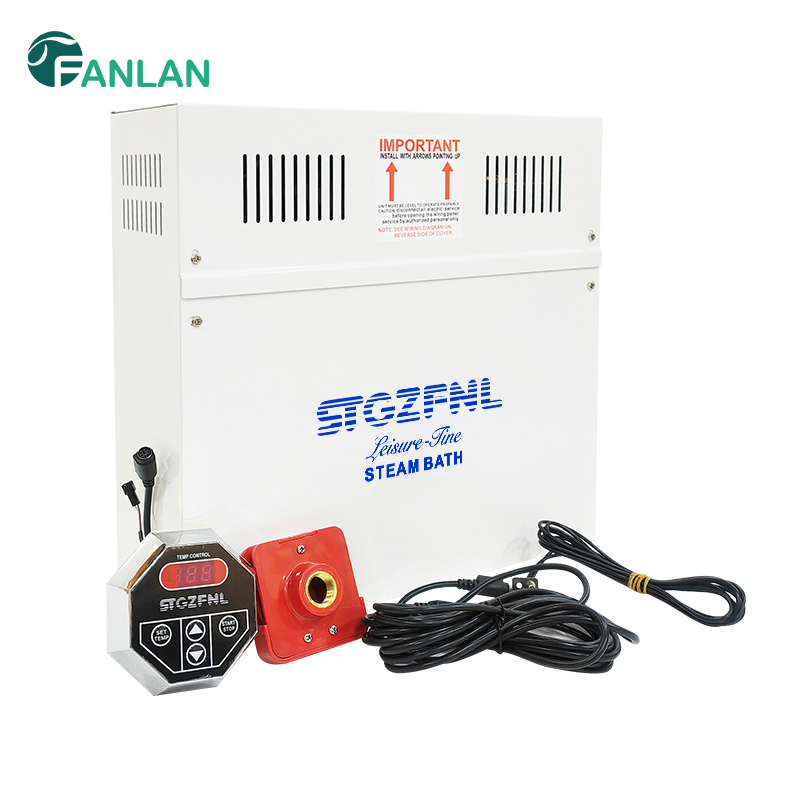
Calcium and mineral scale destroy heating elements rapidly. Scale buildup acts as the leading cause of generator failure. Manual cleaning requires significant labor and forces room closures. Advanced hotel steam room equipment includes automated flush and drain systems. These mechanisms purge water from the tank after every session. They prevent minerals from baking onto internal components. This automated preventative maintenance mitigates catastrophic breakdowns. It drastically reduces staff workload and extends equipment lifespan.
Efficiency serves as both a sustainability metric and an operational cost-saver. Older units consume massive amounts of electricity and water continuously. Modern commercial generators feature intelligent standby modes. They reduce energy draw significantly during off-peak hours. The system drops the water temperature just below boiling when idle. It conserves power while remaining ready for instant deployment. This intelligent management lowers monthly utility bills substantially.
Facilities management teams need proactive alerts, not reactive complaints. Remote monitoring panels transform how engineers maintain spa environments. Self-diagnostic systems constantly evaluate water levels and heating element integrity. They alert maintenance staff to voltage drops or water flow issues instantly. Technicians can resolve minor problems before a guest ever complains. This foresight prevents embarrassing service interruptions. It elevates the overall professionalism of your engineering department.
Continuous commercial operation destroys standard residential components quickly. Spas often require 12-to-24-hour continuous steam generation. Heavy-duty build quality is mandatory for this level of abuse. Premium units feature thick stainless steel reservoirs to prevent corrosion. They utilize industrial-grade Incoloy heating elements for superior longevity. Commercial contactors and electronic boards withstand constant heat and humidity. Investing in rugged componentry guarantees reliable performance under extreme stress.
Evaluating duty ratings is crucial during the procurement phase. Spas require authentic continuous-use ratings. These generators can operate nonstop for 24 hours without overheating. A small hotel gym addition might survive on intermittent ratings instead. Intermittent units need cooling periods between operational cycles. Deploying an intermittent unit in a high-traffic spa guarantees early failure. You must match the duty cycle exactly to your anticipated foot traffic.
Physical volume provides only the baseline for generator sizing. You cannot simply multiply length, width, and height. Wall materials absorb heat at vastly different rates. Porous natural stone requires significantly more energy than smooth acrylic. Exterior wall exposure and glass panels also demand higher kilowatt (kW) outputs. Failing to apply the correct multipliers results in underpowered rooms.
| Construction Material / Factor | Porosity Level | Required Sizing Adjustment |
|---|---|---|
| Acrylic / Fiberglass | Non-porous | No adjustment (Base Volume) |
| Ceramic / Porcelain Tile | Low | Multiply volume by 1.30 |
| Natural Stone (Marble, Granite) | High | Multiply volume by 2.00 |
| Exterior Wall Exposure | N/A | Add 10% per exterior wall |
| Glass Block / Large Windows | N/A | Multiply window area by 0.50, add to volume |
Buyers must scrutinize commercial warranty terms carefully. A residential warranty voids immediately upon installation in a commercial setting. You need specific coverage designed for high-traffic environments. Additionally, evaluate the availability of localized service technicians. A great warranty means nothing without nearby repair professionals. You must ensure replacement parts ship quickly to your region. Choosing a spa steam generator from a reputable vendor minimizes prolonged outages.
Hard water acts as the ultimate enemy of steam equipment. High mineral content calcifies internal tanks and ruins sensors. You cannot ignore local water quality during installation. Integrating water softeners is an operational necessity in most regions. For extreme hardness, reverse osmosis (RO) systems offer superior protection. Clean water protects your financial investment flawlessly. It also ensures the steam feels pure and smells fresh to guests.
Commercial installations demand robust, dedicated facility infrastructure. These units draw significant amperage compared to residential models. You will need dedicated 208V, 240V, or 480V 3-phase power lines. Adequate drainage is mandatory for auto-flush systems to function correctly. Generators also require accessible utility closets for proper ventilation. Engineers must leave sufficient clearance around the unit for routine servicing. Poor infrastructure planning leads to expensive retrofit construction later.
Commercial pressure vessels must adhere to strict regulatory frameworks. ASME (American Society of Mechanical Engineers) certification is frequently required. UL listings guarantee electrical safety under wet conditions. Local health department codes often dictate specific drain gaps and temperature limits. Ignoring these standards exposes your facility to massive liability. It can result in failed inspections and forced closures. Always verify code compliance before finalizing any equipment purchase.
A high-quality steam bath generator functions as an invisible foundation. It supports a profitable, well-reviewed commercial spa or hotel. Reliable equipment delivers consistent luxury to every guest. It prevents negative reviews and protects your brand reputation. Upgrading your infrastructure eliminates constant maintenance headaches. It empowers your staff to focus on hospitality rather than mechanical repairs.
Start the procurement process by auditing your current facility conditions. Test your local water quality to determine filtration needs. Calculate your adjusted room volume using specific material multipliers. Determine your exact peak daily operating hours to find the right duty cycle. This data prevents you from purchasing underpowered or mismatched equipment.
Do not guess when sizing commercial wellness infrastructure. Consult directly with a commercial wellness equipment specialist today. They will perform a site-specific sizing analysis for your property. A professional consultation guarantees your installation meets all local codes. It ensures your new system delivers flawless performance for years.
A: A high-quality commercial unit typically lasts 10 to 15 years. This lifespan depends entirely on your maintenance habits. Strict adherence to automated descaling schedules extends equipment life significantly. Poor water quality and neglected flush systems can ruin a unit in under three years.
A: You can often reuse existing plumbing if the pipe diameters match. However, you must verify voltage compatibility first. Commercial units usually require dedicated 3-phase power. You must also ensure the existing drain handles the new auto-flush volume safely.
A: First, multiply the room's length, width, and height to find the cubic footage. Next, apply specific material multipliers. Add 30% for ceramic tile or 100% for natural stone. Finally, add adjustments for exterior walls or large glass panels.
A: Maintenance frequency ties directly to your local water hardness. Facilities with hard water may require monthly descaling. Sites using water softeners might only need quarterly cleanings. Units equipped with daily auto-flush features reduce scale buildup and extend intervals between deep cleanings.


