Views: 0 Author: Site Editor Publish Time: 2026-07-16 Origin: Site
Cold water therapy continues to gain immense popularity among fitness enthusiasts and everyday individuals alike. Buyers constantly face a tricky dilemma when setting up their home wellness spaces. You must choose between entry-level DIY options and premium wooden models. What forms the baseline expectation? A reliable cold plunge requires consistent temperature control. It also demands pristine water quality. The material of your tub dictates insulation efficiency. It changes your daily maintenance workflow and determines overall longevity. We will evaluate thermal performance and maintenance realities throughout this guide. You can then decide if a natural wood unit aligns properly alongside your routine and budget. Let us explore the true value of these aesthetic recovery tools.
Thermal Efficiency: Premium wood (like cedar or thermally modified timber) offers superior natural insulation, significantly reducing the workload and energy consumption of water chillers.
Total Cost of Ownership (TCO): While upfront costs are high, the durability of a well-maintained wooden tub often outlasts multiple replacements of inflatable alternatives.
Maintenance Realities: Wooden units require periodic exterior sealing and careful water chemistry management to prevent wood rot or liner degradation.
The Bottom Line: A wooden ice bath is a high-ROI investment for daily users who value landscape integration and permanent installation, but overkill for occasional or mobile users.
Wood acts as an exceptional natural thermal barrier. Dense cellular structures slow heat transfer significantly. This keeps your water perfectly chilled. It reduces temperature fluctuation during extreme ambient weather conditions. Thin plastic or uninsulated metal struggles to maintain steady temperatures. Your chiller works overtime trying to cool an uninsulated metal stock tank. A thick timber frame traps the cold inside effortlessly. You save electricity and reduce wear on your cooling equipment.
Environmental psychology plays a huge role in athletic recovery. Creating a dedicated wellness space increases habit adherence. A permanent fixture looks inviting. It signals your brain to prepare for the protocol. Setting up a temporary tub often creates unnecessary physical friction. A beautiful wooden exterior blends smoothly into backyard landscapes. It transforms a daunting cold exposure session into an inviting daily ritual. You feel more inclined to step into an aesthetically pleasing environment.
Certain woods naturally resist moisture and decay. Red cedar and teak represent excellent examples of durable materials. Red cedar contains natural oils repelling insects and rot. Teak features a tight grain preventing water absorption. Properly treated timber boasts an impressive lifespan. They withstand harsh outdoor elements easily over many years. We strongly recommend choosing high-grade lumber for maximum durability. Cheap softwoods will warp rapidly when exposed to continuous moisture.
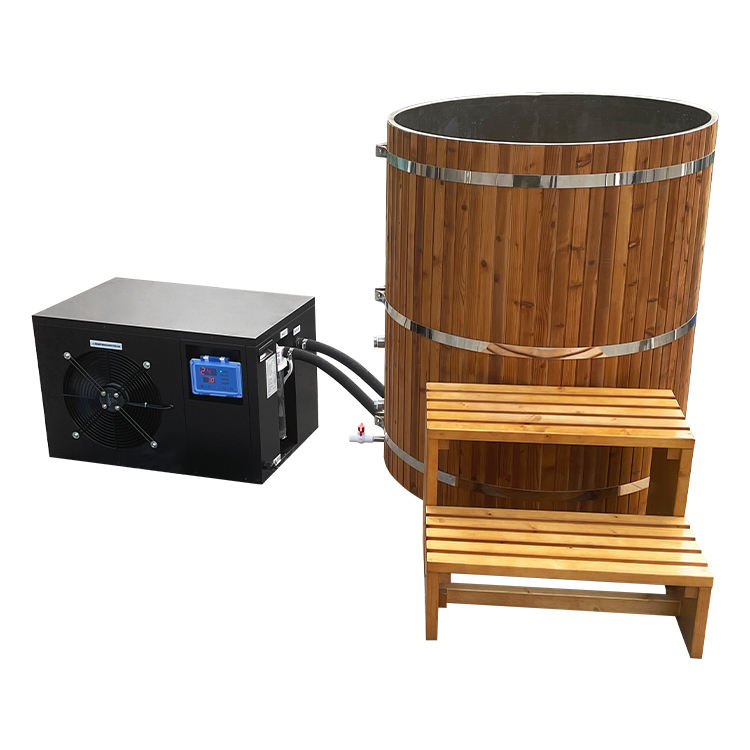
The cheap DIY myth often misleads new users. Buying ice daily drains your wallet quickly. Hauling heavy bags from the grocery store becomes exhausting. Running a highly insulated wooden tub requires a mechanical chiller. This combination saves immense time and daily effort. Inflatable tubs and stock tanks usually follow a brief replacement cycle. They degrade over three to five years. A single permanent wooden structure outlasts them easily. Your initial financial spend yields reliable long-term performance.
Plastic tubs often warp under direct sunlight. Cheap PVC liners become brittle during winter months. You find yourself repurchasing the same temporary solutions repeatedly. A solid timber frame avoids these degradation cycles completely. You invest heavily upfront to secure lasting stability. We see many athletes upgrade to wood after destroying several inflatables.
Drop-stitch inflatables always carry inherent puncture risks. Sharp objects or pets can cause sudden leaks. A rigid wooden frame eliminates these worries entirely. You never have to patch a hole before a morning plunge. The heavy timber walls withstand accidental bumps easily. They provide a sturdy ledge for you to hold onto while entering.
Some people try the DIY chest freezer route. This alternative introduces severe electrical safety hazards. Chest freezers are not designed to hold human weight and water safely. Rust issues develop rapidly along the internal seams. Warranties become instantly void once you add water. A purpose-built wooden ice bath provides true peace of mind. Manufacturers design them specifically for aquatic immersion. They separate water and electrical components safely. You eliminate the risk of accidental shock completely.
Look carefully for naturally rot-resistant woods. Cedar, thermowood, and cypress perform beautifully in wet environments. Thermowood undergoes a special baking process. This heat treatment changes the cellular structure of the timber. It removes moisture and prevents future warping. You must avoid untreated softwoods entirely. Pine or spruce will splinter quickly. They rot away rapidly when placed near water sources. Always ask the manufacturer about their specific wood sourcing.
Proper exterior treatments matter just as much as the species. Factory-applied stains provide the first line of defense. Ensure the manufacturer uses marine-grade sealants. These coatings block ultraviolet rays and repel rain. They keep the wood looking vibrant for years.
Exposed interior wood presents significant sanitation problems. Biofilm builds up inside porous surfaces rapidly. This slimy layer harbors dangerous bacteria and fungi. It makes keeping the water clean nearly impossible. We strongly recommend units featuring drop-in liners. Marine-grade stainless steel, acrylic, or fiberglass inserts work best. They sit securely inside the exterior wooden frame.
A smooth interior liner allows you to wipe down surfaces effortlessly. Bacteria cannot hide inside microscopic crevices. Stainless steel chills rapidly and retains cold well. Acrylic offers a comfortable seating surface. Fiberglass provides incredible durability against accidental impacts. These liners ensure a completely sanitary environment for your daily plunge.
Evaluate how easily standard equipment integrates into the tub. Your unit needs proper plumbing ports located conveniently. A standard 1/2 HP or 1/4 HP chiller should connect seamlessly. Quick-connect fittings make installation a breeze. Powerful chillers bring the temperature down much faster. They recover quickly between multiple users.
Filtration systems keep the water crystal clear. Ozone generators and particulate filters remove impurities actively. You want standard hose threads on the tub. This allows you to swap out filters without complex adapters. Verify these plumbing connections before finalizing your purchase. A well-designed cold plunge tub hides these hoses elegantly.
Outdoor units demand regular and consistent upkeep. You must apply UV-resistant oil or stain annually. Harsh climates might require bi-annual applications. This prevents cracking, fading, and graying. Sun exposure breaks down the natural lignins in the wood. Rain washes away the protective oils. A quick sanding followed by a fresh coat restores the aesthetic.
Ignoring this maintenance ruins the visual appeal quickly. The wood turns a dull silver color over time. Moisture penetrates the unprotected grain easily. This leads to swelling and eventual structural failure. Dedicate one afternoon a year to sealing the exterior. It protects your sizable investment thoroughly.
Do not use harsh chemicals in your tub. High-concentration chlorine or bromine degrades liners quickly. They also damage the surrounding wood if splashed over the edges. Strong chemical odors ruin the relaxing nature of the experience. We recommend adopting ozone or hydrogen peroxide protocols. These gentle alternatives keep water perfectly safe.
Hydrogen peroxide oxidizes contaminants effectively without leaving harmful residues. Ozone generators destroy bacteria on contact. You simply add a small amount of non-toxic sanitizer weekly. You protect your skin, your lungs, and your tub materials. Always check chemical compatibility with your specific liner material.
A water-filled wooden unit weighs hundreds of pounds. You must plan for this extreme weight carefully. A single gallon of water weighs over eight pounds. Add the weight of thick timber, and you have a massive load. Decks often require dedicated structural reinforcement. Consult a contractor before placing the unit on an elevated platform.
Always provide a level, draining foundation. A beautifully integrated wooden ice pool needs a rock-solid concrete base or reinforced pavers. Proper drainage prevents standing water damage underneath the frame. Ground moisture will rot the bottom beams if drainage is poor. Ensure airflow circulates freely around the base.
Let us look at the science objectively. Physiological benefits include rapid vasoconstriction and localized inflammation reduction. Cold exposure also triggers central nervous system modulation. These outcomes are driven solely by water temperature and exposure duration. The tub material does not alter your biological responses at all. Plastic chills you exactly like wood.
Your body responds to thermal stress, not aesthetics. Dropping your core temperature initiates the release of norepinephrine. It reduces muscle soreness after intense training blocks. You achieve these exact identical benefits in a cheap stock tank. We must acknowledge this reality transparently. Wood does not possess magical healing properties.
A wooden tub's true value lies elsewhere entirely. It facilitates your daily protocol smoothly. Efficient temperature maintenance removes annoying friction. You spend less time doing daily setup tasks. A dedicated, beautiful space invites you in every morning. This convenience leads directly to much higher protocol compliance.
Consistent routines produce better long-term recovery results. Skipping days because your DIY setup leaked ruins your momentum. Avoiding the plunge because the water looks dirty halts your progress. A premium unit keeps the water ready constantly. It removes behavioral barriers entirely. You commit faster and stick to your wellness goals longer.
Daily practitioners thrive using premium aesthetic setups. Athletes require dedicated and reliable recovery spaces. Homeowners love seamless backyard or deck integration. Buyers prioritizing long-term durability over initial price find great satisfaction here. You appreciate fine craftsmanship and natural materials. You want a wellness tool functioning as backyard art.
These users do not mind annual maintenance routines. They view oiling the wood as part of the ownership experience. They have the budget to afford powerful chillers and proper foundations. The heavy initial investment pays off through years of flawless daily operation.
| User Profile | Recommendation | Primary Reason |
|---|---|---|
| Daily Athletes | Highly Recommended | Maximizes routine consistency and structural durability. |
| Design-Conscious Homeowners | Highly Recommended | Blends beautifully into existing backyard landscapes. |
| Frequent Movers / Renters | Not Recommended | Heavy weight makes relocation incredibly difficult. |
| First-Time Beginners | Not Recommended | Upfront investment is too high for unverified habits. |
Renters who move frequently should look elsewhere immediately. Moving heavy timber requires professional assistance. Beginners testing cold exposure need much cheaper entry points. You should verify your commitment before spending heavily. Buyers strictly optimizing for the lowest immediate price point will feel overwhelmed.
If you lack a stable foundation, do not buy one. If you refuse to perform annual maintenance, choose plastic or stainless steel instead. Untended wood degrades rapidly and looks terrible within two seasons. Acknowledge your personal habits before committing to natural timber.
You must evaluate your physical space and local environment before pulling the trigger. Proper preparation prevents buyer remorse.
Measure your available footprint accurately to ensure a comfortable fit.
Assess your local climate to anticipate sun exposure and wood wear.
Request chiller compatibility specifications directly from tub manufacturers.
Consult a local contractor about your deck's load-bearing capacities.
Research marine-grade sealants available at your local hardware store.
Balance your aesthetic desires against practical upfront costs. Weigh the thermal insulation benefits against ongoing maintenance commitments. A wooden unit offers incredible beauty and unmatched temperature retention. However, it requires a permanent location and periodic exterior sealing. You must commit to gentle water chemistry protocols to protect the internal liner.
Remember, this equipment is never a magic bullet for recovery. Instead, consider it a premium vehicle for consistency. It removes daily setup barriers entirely. You stop hauling ice and start focusing on your breathing. Ensure your foundation can support the heavy load. Prioritize models featuring sanitary interior liners to prevent biofilm. You will enjoy a stunning, reliable wellness space for years to come.
Evaluate structural foundation limits before installation.
Commit strictly to non-toxic water chemistry protocols.
Prioritize models featuring sanitary, non-porous interior liners.
Plan for annual exterior sanding and sealing sessions.
A: 5-15+ years depending on wood type, liner quality, and climate maintenance. High-grade cedar or thermowood lasts significantly longer than untreated softwoods. Regular oiling and proper drainage extend the lifespan dramatically.
A: Yes, provided the chiller has a heating function to prevent pipe freezing, and the wood is properly sealed against moisture. Keeping the pump running continuously also prevents standing water from turning to solid ice.
A: Depends on the internal liner; safe for stainless steel and acrylic, but can dry out or damage exposed wood and some pump impellers. Always verify with the manufacturer before adding any salts to the system.


