Views: 0 Author: Site Editor Publish Time: 2026-07-05 Origin: Site
Choosing the right heat source dictates your entire structural build, daily habits, and infrastructure budget. The heater forms the undeniable heartbeat of your wellness routine. You must weigh this vital decision carefully. Today, eco-friendly, off-grid pellet setups rapidly surge in popularity among homeowners. They directly challenge the deeply established convenience of hardwired electric units found in modern homes. Each system carries distinct advantages depending on your property location, climate, and personal lifestyle.
This guide actively moves beyond subjective opinions and brand loyalties. We provide an objective, data-informed framework for properly evaluating both systems side-by-side. You will learn how to accurately assess installation realities, long-term maintenance requirements, and true thermal performance. By exploring physical constraints, safety regulations, and daily operational demands, we help you confidently pinpoint the exact heating solution for your upcoming project.
Off-grid vs. Integrated: Pellet stoves excel in remote, outdoor, or off-grid builds, while electric heaters are best for indoor or residential-adjacent setups requiring daily convenience.
Infrastructure Costs: Electric heaters save on venting but often require costly 240V hardwiring by an electrician. Pellet stoves avoid electrical grid upgrades but require structural venting and chimney installation.
Material Matters: Regardless of the fuel type, investing in an SS304 sauna stove ensures maximum resistance to rust and thermal degradation during high-intensity wet sauna (löyly) sessions.
Maintenance Realities: Pellet stoves require active management (ash cleaning, pellet storage), whereas electric heaters offer a "set-and-forget" operational model.
You must identify specific property constraints early in the planning phase. Assess your build site thoroughly. Does your home panel support an extra 40 to 60 amps? Many older homes lack sufficient electrical capacity for high-draw appliances. Upgrading a main electrical panel adds significant unexpected expense to your project budget.
A remote backyard cabin often presents entirely different hurdles. Running heavy-gauge copper wire over long distances becomes prohibitively expensive. You must also examine your daily usage patterns closely. Differentiate between your ideal lifestyle and your actual daily routine. Some users demand immediate, push-button heat after a long workday. They value speed above all else. Others genuinely enjoy the deliberate ritual of tending a fire. They find relaxation in managing fuel and preparing the room manually.
Your ultimate goal remains simple but essential. You must align the heater choice with your intended frequency of use. You also have to respect the physical limitations of the sauna envelope. A poorly matched heater guarantees long-term frustration.
Common Mistake: Buyers often purchase a heater before consulting an electrician or structural builder. Always calculate your exact panel amperage or chimney clearance capabilities first.
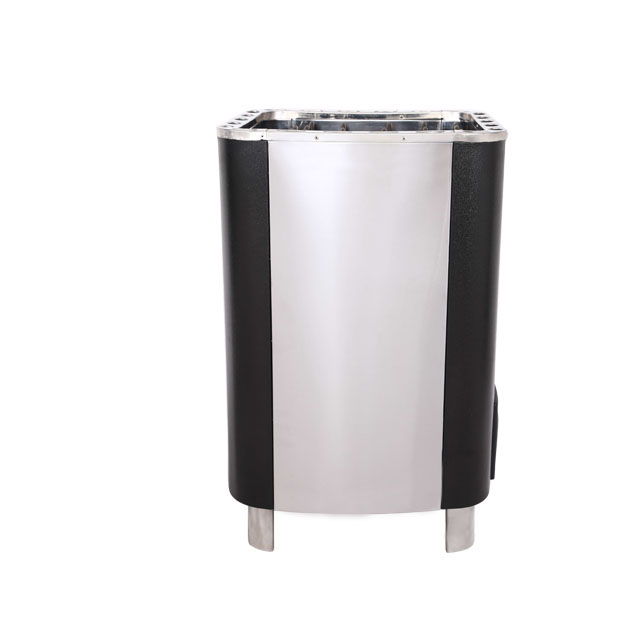
Many traditionalists now look toward modern pellet combustion. A highly efficient pellet sauna stove relies on clever operational mechanics. These units typically utilize gravity-fed hoppers. Some models feature minor 12V augers to deliver fuel steadily into the burn pot. This mechanism provides highly consistent combustion. You entirely avoid the constant stoking required by traditional log burners.
Users gain several distinct performance advantages:
True off-grid capability: These stoves require zero grid connectivity or run on extremely low DC power.
High thermal mass: Heavy steel construction retains heat brilliantly while providing an authentic fire ambiance.
Superior steam generation: The robust heat profile produces a traditional, soft heat ideal for wet sessions.
However, you must accept certain implementation frictions. Owning a solid fuel heater requires manual labor.
Fuel storage logistics: You must maintain safe, totally dry storage for wood pellets. Moisture destroys pellet integrity instantly.
Routine maintenance: Owners must perform regular ash disposal. You also need periodic flue sweeping to prevent creosote buildup.
Structural modifications: The installation mandates a specialized roof or wall penetration. You must install Class-A chimney venting safely according to strict codes.
Best Practice: Always store bulk pellets in airtight, elevated containers. Even high ambient humidity degrades compressed sawdust over a few weeks.
For many homeowners, sheer convenience completely trumps off-grid capability. A modern electric sauna heater operates using heavy-duty resistive heating elements. These metal coils directly warm the surrounding rock mass. You control the unit via simple onboard analog dials. Many newer systems utilize advanced digital or Wi-Fi-enabled wall controllers.
Electric heating systems offer profound performance advantages:
Unmatched daily convenience: You get push-button starts and precise temperature holding. Wi-Fi modules allow remote pre-heating.
Total indoor safety: They produce absolutely zero emissions. This makes them entirely safe for basement, garage, or interior bathroom installations.
Zero fuel management: You never chop wood, haul bags of pellets, or sweep dirty ash.
Despite this convenience, implementation frictions still exist. You must carefully navigate infrastructure demands.
Upfront electrical costs: You often face high electrician fees for dedicated 220V/240V circuits. Outdoor builds usually require expensive yard trenching.
Grid dependence: You remain strictly tethered to local grid reliability. Power outages mean no heat.
Element degradation: Heating coils degrade over time. Heavy water usage causes them to eventually fail and require replacement.
What to Watch Out For: Never pack rocks too tightly around the heating elements. Tight packing restricts airflow, causes elements to overheat, and drastically shortens their lifespan.
Buyers routinely overlook hidden installation expenses. You must compare the structural costs accurately. Electric units save you money on venting materials. However, trenching heavy-gauge wire across a yard costs thousands. Electricians charge premium hourly rates for outdoor panel upgrades. Conversely, solid fuel units avoid electrical grid upgrades. Yet, structural framing for proper venting adds significant labor. A high-quality stainless steel chimney system represents a major upfront material expense.
Pouring water on hot rocks creates therapeutic steam, widely known as löyly. This sudden temperature shift shocks the heater body aggressively. The resulting steam heavily oxidizes inferior metals. Choosing an SS304 sauna stove actively prevents premature rust. Stainless Steel 304 resists severe thermal degradation because of its high chromium and nickel content. This material choice remains absolutely critical for either fuel type. It ensures unit longevity and maintains safe, clean steam quality over decades of heavy use.
You must calculate your monthly running expenses accurately based on regional variables. Electric running costs depend entirely on local kilowatt-hour (kWh) rates. High-tier utility regions make daily electrical heating surprisingly expensive. Hardwood pellets offer a fundamentally different economic model. You can often secure highly favorable bulk pricing during off-seasons. Buying premium hardwood pellets by the ton effectively stabilizes your ongoing heating expenses over the long winter months.
Use the following comparison chart to visualize the direct differences between these two heating methods.
| Evaluation Metric | Pellet Operation | Electric Operation |
|---|---|---|
| Primary Infrastructure | Class-A Chimney, structural venting | 240V dedicated circuit, heavy-gauge wire |
| Heating Speed | Variable (30-60 minutes) | Consistent (45-60 minutes) |
| Maintenance Demands | High (Ash removal, flue cleaning) | Low (Occasional rock replacement) |
| Indoor Suitability | Poor (Requires complex venting/clearances) | Excellent (Zero emissions, compact) |
| Off-Grid Viability | Excellent (Gravity fed or low-draw DC) | Poor (Requires high-capacity generator/solar) |
Local regulations strictly dictate what you can legally install on your property. Many municipalities and Homeowner Associations strictly prohibit solid fuel burning. They view wood or pellet smoke as a community nuisance. These zoning rules often force the choice toward electric units regardless of your personal preference. Always consult your local code enforcement office first.
Clearances to combustibles also vary wildly between heater types. Pellet models generally require much larger safety radiuses. You must install specialized non-combustible heat shields on the walls and floor. Modern electric units often feature advanced double-walled construction. They allow for tighter clearances, sometimes just a few inches from adjacent wooden benches.
Insurance implications matter heavily during your planning phase. Most insurance carriers mandate UL-listing for any hardwired household appliance. Solid-fuel stoves can sometimes trigger home insurance premium adjustments. They increase the perceived fire risk profile of your property. Always contact your insurance agent before installing a fire-producing appliance anywhere near your primary residence.
We can simplify the final choice by looking at practical site realities. Different scenarios clearly favor specific heating technologies. Review these final shortlisting models to finalize your decision.
Select a pellet model if:
You are building an outdoor or off-grid sanctuary. Pulling a 240V line would be wildly cost-prohibitive.
You highly prioritize an authentic fire experience alongside massive thermal heat retention.
Your local regulations and HOA explicitly allow solid fuel appliances.
You possess the physical willingness to manage fuel and clean ash regularly.
Select an electric model if:
You are building an indoor setup or integrating it into an existing home footprint.
You require smart-home integration, fast scheduling, and entirely hands-off operation.
You actively want to avoid all routine maintenance, ash cleaning, and bulk fuel storage.
Your property features readily available electrical capacity for a 40-amp or 50-amp dedicated breaker.
Neither heating option proves universally superior. Your success depends entirely on matching the heater directly to your site infrastructure. You must honestly evaluate your daily habits and manual maintenance tolerance.
First, always audit your home electrical panel capacity. Second, thoroughly check your local zoning laws regarding solid fuel emissions. Third, secure professional quotes for wire trenching or chimney framing to reveal your true upfront infrastructure expenses.
Taking these concrete steps guarantees a highly satisfying wellness build. You will enjoy decades of reliable heat, exceptional steam, and a routine perfectly suited to your lifestyle.
A: Yes, you can safely pour water on electric models. The resistive coils sit buried beneath the sauna rocks. You must ensure you have a proper rock-to-element ratio to protect the metal. Always use clean, fresh water. Pour it slowly over well-heated rocks to generate soft steam and prevent flooding the lower element tray.
A: This depends entirely on your region. In areas with exorbitant kilowatt-hour (kWh) utility rates, buying bulk hardwood pellets proves much cheaper. Conversely, if you enjoy low-cost municipal electricity or rely on home solar panels, electric models often cost less per session than sourcing premium heating pellets.
A: No, an electric heater does not require a chimney. Electric units produce zero combustion gases. However, you still need standard room ventilation. You must install proper intake and exhaust vents to supply fresh oxygen for the bathers and manage room humidity effectively.
A: Both units generally require 45 to 60 minutes to reach optimal temperatures. Electric heaters offer a highly consistent, predictable ramp-up time based on their kilowatt rating. A well-fueled pellet stove provides variable heating times. It can sometimes heat the room faster due to intense combustion output, depending on the draft.


