Views: 0 Author: Site Editor Publish Time: 2026-07-08 Origin: Site
Investing in a permanent outdoor wellness space requires serious upfront planning. You cannot treat an outdoor build like a simple temporary indoor kit. Buyers often struggle to separate visual appeal from practical reality. They get distracted by beautiful aesthetics and ignore critical thermal performance. You must understand site preparation, electrical demands, and long-term maintenance needs. A poorly planned project leads to frustration, cold drafts, and wasted budget. When temperatures drop, a flimsy structure will fail to hold heat.
This guide breaks down the structural, physiological, and financial benefits of a heavy timber build. We provide a clear framework for evaluating site requirements. You will learn how to select the right materials for your climate. You will also understand the exact infrastructure needed to support your space. By the end, you will know exactly how to plan, position, and execute your ideal setup effectively.
Thermal Superiority: Solid wood cabins utilize natural thermal mass to radiate heat evenly, eliminating the need for synthetic vapor barriers common in indoor builds.
Evidence-Based Wellness: Frequent traditional sauna use is linked to measurable cardiovascular and recovery benefits, which are easier to achieve with a 24/7 at-home setup.
Site-Specific Resilience: A properly sited wood sauna cabin can withstand extreme off-grid or outdoor weather conditions, provided the foundation and wood species are correctly matched to the climate.
Total Cost of Ownership: True ROI requires factoring in electrical (or wood-stove) installation, foundation prep, and cubic volume requirements before purchase.
Many buyers confuse different heat therapy options when browsing online catalogs. The authentic Löyly experience defines a true traditional sauna house. You heat the ambient air to high temperatures. This range typically falls between 160°F and 190°F. Once the room reaches this intense heat, you ladle water over a tray of hot rocks. This action creates a controlled burst of steam. The resulting humidity envelops you instantly. It delivers a deeply penetrating, intense heat that provokes an immediate sweat response.
Infrared units offer a completely different physiological experience. They rely on much lower temperatures and extremely dry heat. These units use electromagnetic light waves to warm your body directly. They do not heat the surrounding ambient air effectively. Infrared works well for many users who dislike extreme heat. However, it completely lacks the dynamic steam cycles of a traditional setup.
Indoor paneled kits present another common alternative. Manufacturers build these using thin interior paneling stapled to standard framing. They require artificial fiberglass or mineral wool insulation. You must also install synthetic foil vapor barriers to protect the drywall behind it. A solid wood structure behaves entirely differently. Thick logs act as both structural support and natural insulation. They breathe naturally with the environment. You do not need plastic barriers or foil sheets hidden inside the walls. The wood handles the extreme temperature differentials independently.
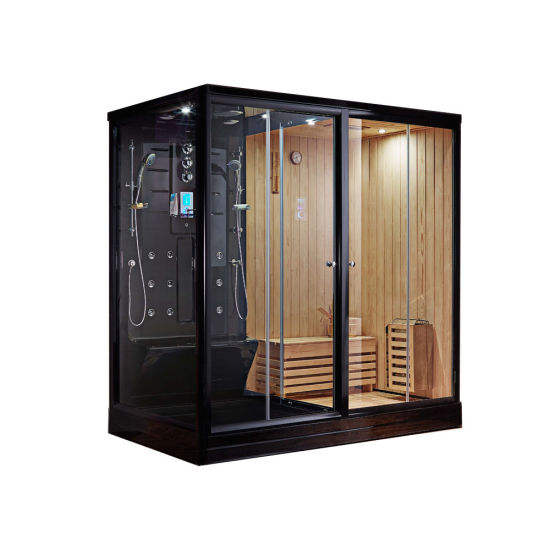
The science behind thermal mass explains the magic of thick timber logs. A solid wood sauna cabin absorbs massive amounts of heat energy. The heavy wood acts as a thermal battery. It holds this energy deeply within its cellular structure. It then radiates the heat slowly back into the room. This mechanism creates a softer, more enveloping heat profile. You avoid the harsh, electrically forced air commonly found in thin-walled boxes.
Solid wood also manages moisture naturally and safely. Wood remains highly hygroscopic. It absorbs excess humidity during a steam cycle and releases it gradually afterward. This dynamic mitigates severe condensation risks. Poorly built indoor insulated units often trap moisture behind their foil barriers. They suffer from hidden mold and dangerous rot over time. Thick timber walls eliminate this trap entirely. They dry out evenly after each session.
You must evaluate different materials carefully before purchasing. The right wood dictates longevity, maintenance, and heat retention. Certain woods perform better in harsh winter climates. Others excel in humid coastal regions. Here is a decision framework for evaluating popular timber choices.
| Wood Species | Durability & Rot Resistance | Heat Resistance & Retention | Outgassing & Aroma |
|---|---|---|---|
| Western Red Cedar | Exceptional rot resistance. Highly durable for outdoor weathering. | Low density means the wood stays relatively cool to the touch. | Emits a strong, distinct aroma. Carries premium pricing. |
| Clear Hemlock | Highly durable. Features a straight grain less prone to warping. | Excellent structural stability under intense cyclical heat. | Completely odorless and toxin-free. Ideal for sensitive users. |
| Nordic Spruce | Cost-effective but requires consistent exterior maintenance. | Dense, tight grain offers fantastic heat retention. | Traditional authentic feel. Emits a mild, pleasant natural scent. |
| Thermally Modified Ash | Baked to resist moisture completely. Zero rot potential. | Incredible stability. Does not expand or contract significantly. | Rich roasted smell. Darker, premium aesthetic appearance. |
Frequent heat exposure delivers impressive physiological results backed by clinical consensus. Regular sessions mimic moderate aerobic exercise perfectly. They elevate your heart rate and improve endothelial function. This improves overall blood circulation significantly. Heat therapy also accelerates recovery from delayed onset muscle soreness. Your body flushes out metabolic waste much faster under intense heat. It also acts as a profound stress management tool.
However, you must use it often to actually see these benefits. The primary advantage of ownership is unmatched accessibility. Health returns strongly correlate with your weekly frequency. Aiming for three to four sessions weekly yields the best physiological results. A home setup makes this routine highly efficient. You completely eliminate the frustrating gym commute. You avoid expensive, crowded commercial spa memberships. You step into your backyard and begin your session instantly.
Physical placement also impacts your mental state directly. A detached outdoor structure serves as a dedicated wellness zone. It forces a physical separation from your noisy living space. You leave your phone, laptop, and distractions inside the house. This screen-free environment enhances psychological relaxation drastically. The short walk through the cold outdoor air stimulates your senses. It prepares your mind for recovery before you even open the door.
You cannot place a wood sauna cabin directly on raw soil or grass. Ground moisture will wick up and destroy the base timbers quickly. Proper outdoor placement requires strict adherence to foundation rules. Your site prep dictates the lifespan of the entire structure.
Poured Concrete Pads: This remains the most durable option available. Concrete provides a perfectly level surface. It handles heavy structural loads easily and prevents seasonal settling.
Compacted Crushed Gravel: A highly cost-effective alternative. It offers excellent water drainage to keep the base framing completely dry. You must compact it deeply to prevent shifting.
Concrete Paver Bases: A middle-ground aesthetic solution. Pavers look attractive in residential yards. However, they require careful sand leveling to prevent uneven shifting over time.
Cold climates demand specific geographical considerations. You must evaluate insulation factors for the roof and floor closely. Heat rises rapidly, making roof insulation absolutely critical for winter use. For heating, you must choose between two primary power sources. High-kW electric heaters offer unmatched daily convenience. However, they require hardwiring on a dedicated 220v circuit by a licensed professional. Wood-burning stoves are ideal for off-grid or remote setups. They demand manual effort. They also require insulated chimney flues and strict adherence to fire-safe clearances.
Maintenance determines the actual lifespan of your investment. You must follow these absolute rules:
Interior Care: Never treat, paint, or stain the interior wood. High heat causes commercial chemicals to off-gas rapidly. This creates a severe toxic inhalation risk for users. Leave the inside raw.
Exterior Care: The outside faces harsh UV rays, rain, and snow. You must apply UV-protectant oils or specialized timber stains. Match the exterior treatment specifically to your chosen wood species.
Selecting the perfect unit requires basic math and realistic planning. You must calculate the internal cubic volume accurately. Measure the interior length, width, and height in feet. Multiply these three numbers together. A solid wood structure absorbs initial heat aggressively. You need a slightly higher heater kW output to compensate for this thermal mass. A standard insulated indoor room might need a 6kW heater. A thick log cabin of the exact same size might require an 8kW unit.
Passive airflow represents a critical design element. A sealed wooden box becomes stifling and dangerous quickly. You need fresh oxygen flowing continuously. Place an intake vent low on the wall, directly under the heater. Place an exhaust vent higher up on the opposite wall. This configuration pulls fresh air across the hot elements. It creates a convection loop. It mixes the air thoroughly and prevents cold spots near the floor.
Finally, assess the real budget required for project completion. The retail price of the structure is only one component. You must account for heavy freight delivery fees. Add the costs of site grading and foundation prep. Factor in the electrician's hourly fees, expensive copper wiring, and municipal permits. Compare this upfront investment to the longevity of the structure. A quality build lasts ten to twenty years easily. It adds permanent equity and daily lifestyle value to your property.
A solid wood setup represents an incredible investment in durable wellness infrastructure. It offers superior thermal performance and daily physiological benefits. Proper planning ensures decades of reliable, safe use. You must respect the demands of foundation prep and electrical requirements.
Start your journey with a thorough site survey. Measure your yard carefully to determine the best location. Assess your current electrical panel capacity with a licensed professional. Do this before falling in love with a specific footprint or design.
Explore different wood types to match your local climate. Review heater sizing guides carefully to finalize your plans. Taking these methodical steps guarantees a successful outdoor build.
A: It varies by municipality. Most local codes determine requirements based on total square footage. Additions like hardwired electrical circuits or plumbing often trigger permit needs. Always check local zoning laws before pouring a foundation or scheduling delivery.
A: A quality unit typically takes 45 to 60 minutes to reach optimal temperatures. This timeframe depends heavily on the outside weather. The heater kW rating and the specific wood density also play major roles in heat-up speed.
A: Yes, you can use an electric heater. However, you must purchase a certified outdoor-rated model. A licensed electrician must hardwire the unit. It requires a dedicated 220v or 240v circuit to operate safely and effectively.
A: No. Western Red Cedar offers excellent rot resistance and aroma. However, other materials perform beautifully. Thermally modified Nordic Spruce provides a traditional aesthetic. Clear Hemlock offers high durability without strong odors. Both are traditional favorites in authentic Scandinavian builds.


